Startup Originals Team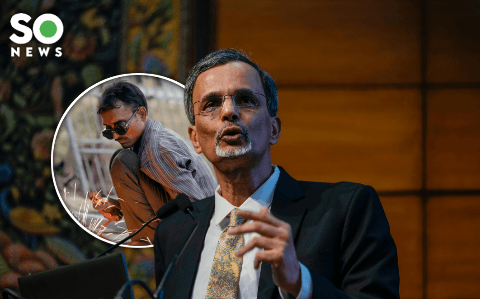
India needs to place greater value on skilled trades such as welding, plumbing, electrical work, and carpentry, according to Chief Economic Adviser V Anantha Nageswaran. He argued that as artificial intelligence continues to automate many white-collar tasks, demand for skilled trade workers is likely to increase significantly in the coming years.
His remarks have sparked discussions about the future of education, employment, and skill development in India.
Trade Skills Could Become More Valuable
Nageswaran highlighted that professions such as:
- Welding
- Plumbing
- Electrical work
- Carpentry
- Technical maintenance
require hands-on expertise that cannot be easily replaced by AI or automation.
While software and office-based jobs are increasingly being impacted by artificial intelligence, many skilled trade roles still require:
- Physical presence
- Human judgment
- Practical problem-solving
- Technical craftsmanship
This makes them more resilient to technological disruption.
India Gives Less Recognition to Skilled Trades
According to Nageswaran, India often places greater social value on traditional white-collar careers while underestimating the importance of vocational professions.
He pointed to countries such as:
- Germany
- Switzerland
- Japan
- South Korea
- China
where skilled workers enjoy strong social recognition, structured training systems, and attractive career opportunities.
These countries have built strong industrial economies partly because they treat vocational skills as valuable professions rather than secondary career options.
Changing Nature of Work in the AI Era
The rapid rise of artificial intelligence is transforming labour markets worldwide.
AI can increasingly perform tasks involving:
- Data processing
- Content generation
- Basic programming
- Administrative work
However, many skilled trades continue to require direct human involvement.
For example:
- A plumber must physically inspect and repair systems.
- A welder must perform precision work on-site.
- An electrician must handle real-world installations and maintenance.
As a result, experts believe demand for these professions could remain strong even as technology advances.
Need for Stronger Skill Development
Nageswaran emphasized the importance of investing in:
- Vocational education
- Technical training programs
- Apprenticeships
- Industry-focused skill development
Improving these areas could help create employment opportunities while addressing skill shortages in infrastructure, manufacturing, construction, and industrial sectors.
Such efforts would also support India’s ambitions to become a global manufacturing and industrial hub.
The Bigger Picture
India is one of the world’s youngest countries, with millions of people entering the workforce every year.
To fully benefit from this demographic advantage, experts increasingly argue that the country must:
- Reduce stigma around vocational careers
- Improve training quality
- Create pathways for skilled workers to grow professionally
- Align education with future industry needs
As automation and AI reshape the global economy, practical skills may become even more important than they are today.
Conclusion
V. Anantha Nageswaran’s remarks highlight a growing reality of the modern economy: skilled trade workers may become some of the most valuable professionals in the AI era. By giving greater respect and support to professions like welding, plumbing, and electrical work, India can strengthen its workforce, create new opportunities, and build a more resilient economy for the future.