Startup Originals Team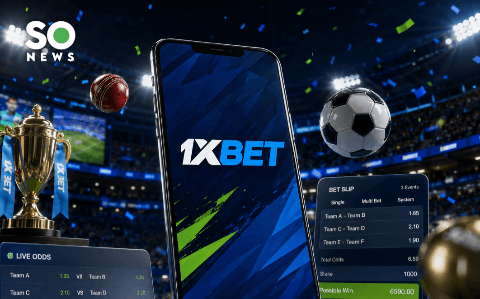
Offshore betting platform 1xBet has once again come under scrutiny after its branding was prominently displayed during India’s recent T20 cricket series against Zimbabwe, which was streamed for Indian audiences on FanCode and Zee. The incident has reignited concerns about how offshore betting companies continue to gain visibility in India despite repeated government advisories against the promotion of such platforms.
The branding appeared throughout the live telecast and in match highlights shared later on social media, raising broader questions about the responsibilities of broadcasters, streaming platforms, and content distributors in preventing the promotion of offshore betting brands.
What Happened?
1xBet served as an official partner for the three-match T20 series between India and Zimbabwe, held from July 23 to July 26 at Harare Sports Club.
As part of the sponsorship, the company’s logo appeared on perimeter advertising boards, sight screens, interview backdrops, and other branding locations inside the stadium. Since the matches were broadcast and streamed in India through FanCode and Zee, Indian viewers were exposed to the betting platform’s branding throughout the series.
In its sponsorship announcement, 1xBet highlighted that the tournament would be available on FanCode and Zee, stating that the partnership would provide significant brand exposure among cricket audiences.
Key Details
The visibility of 1xBet comes despite multiple government efforts to restrict advertisements related to offshore betting and gambling platforms.
Since 2022, the Ministry of Information and Broadcasting (MIB) has issued several advisories directing television broadcasters, OTT platforms, digital publishers, and online intermediaries not to publish or carry advertisements, including surrogate advertisements, for offshore betting and gambling websites.
In addition, the Promotion and Regulation of Online Gaming Act, 2025 came into force through a government notification issued in April 2026, while the accompanying Promotion and Regulation of Online Gaming Rules, 2026 became effective on May 1, 2026. These measures are intended to strengthen oversight of online gaming and related promotional activities.
However, because 1xBet’s branding was embedded within the live international broadcast feed, questions remain over who bears responsibility when such content reaches Indian viewers.
FanCode’s Position
According to a person familiar with the matter, FanCode receives the live broadcast feed directly from the event’s publisher and does not control the advertising displayed inside the stadium.
FanCode declined to comment publicly on the issue.
However, another aspect attracting attention is that 1xBet branding also remained visible in match clips later shared by FanCode on its social media platforms. This has raised questions about whether betting-related branding in recorded content could be reviewed, blurred, cropped, or otherwise edited before redistribution.
At the time of publication, 1xBet had not responded to queries seeking clarification on whether reaching Indian audiences through FanCode and Zee formed part of its sponsorship strategy or whether it had any commercial arrangements with the platforms.
Why This Matters
The case highlights the growing complexity of regulating betting advertisements during international sporting events.
While overseas event organisers and broadcasters may legally sell sponsorship rights outside India, those broadcasts often reach Indian audiences through domestic television channels and digital streaming services. This creates a regulatory grey area where prohibited branding may still become visible without direct advertising purchases in India.
The incident also raises broader concerns about how international sponsorship agreements interact with India’s evolving online gaming and advertising regulations.
Company Background
1xBet is an offshore online betting platform that offers sports betting, casino games, and other gambling products across several international markets. The platform has faced regulatory scrutiny in multiple countries, including India, where government authorities have repeatedly advised media platforms against carrying advertisements or promotional content related to offshore betting services.
FanCode is an Indian digital sports streaming platform that broadcasts live sporting events and provides sports-related content, while Zee is one of India’s leading media and entertainment networks with television and digital broadcasting operations.
Industry Impact
The incident is likely to intensify discussions around advertising compliance during international sports broadcasts.
Media companies, streaming platforms, sports rights holders, and regulators may face increasing pressure to establish clearer guidelines on handling embedded betting advertisements, particularly when highlights and clips are republished across digital and social media platforms.
The issue also underscores the operational challenges of balancing international sponsorship agreements with country-specific advertising regulations.
Future Outlook
As India continues tightening its regulatory framework for online gaming and betting-related promotions, greater scrutiny is expected over how offshore betting brands appear in international sporting broadcasts viewed by Indian audiences.
The episode could prompt regulators and broadcasters to examine whether additional safeguards are required for recorded content distributed on digital platforms, particularly where prohibited branding remains visible after live events.
Conclusion
The appearance of 1xBet branding during India’s Zimbabwe cricket series has highlighted ongoing challenges in enforcing India’s restrictions on offshore betting advertisements. While live international broadcasts may limit the control of domestic streaming platforms, the continued visibility of such branding in redistributed content raises important questions about accountability, compliance, and the effectiveness of existing regulatory measures.