Startup Originals Team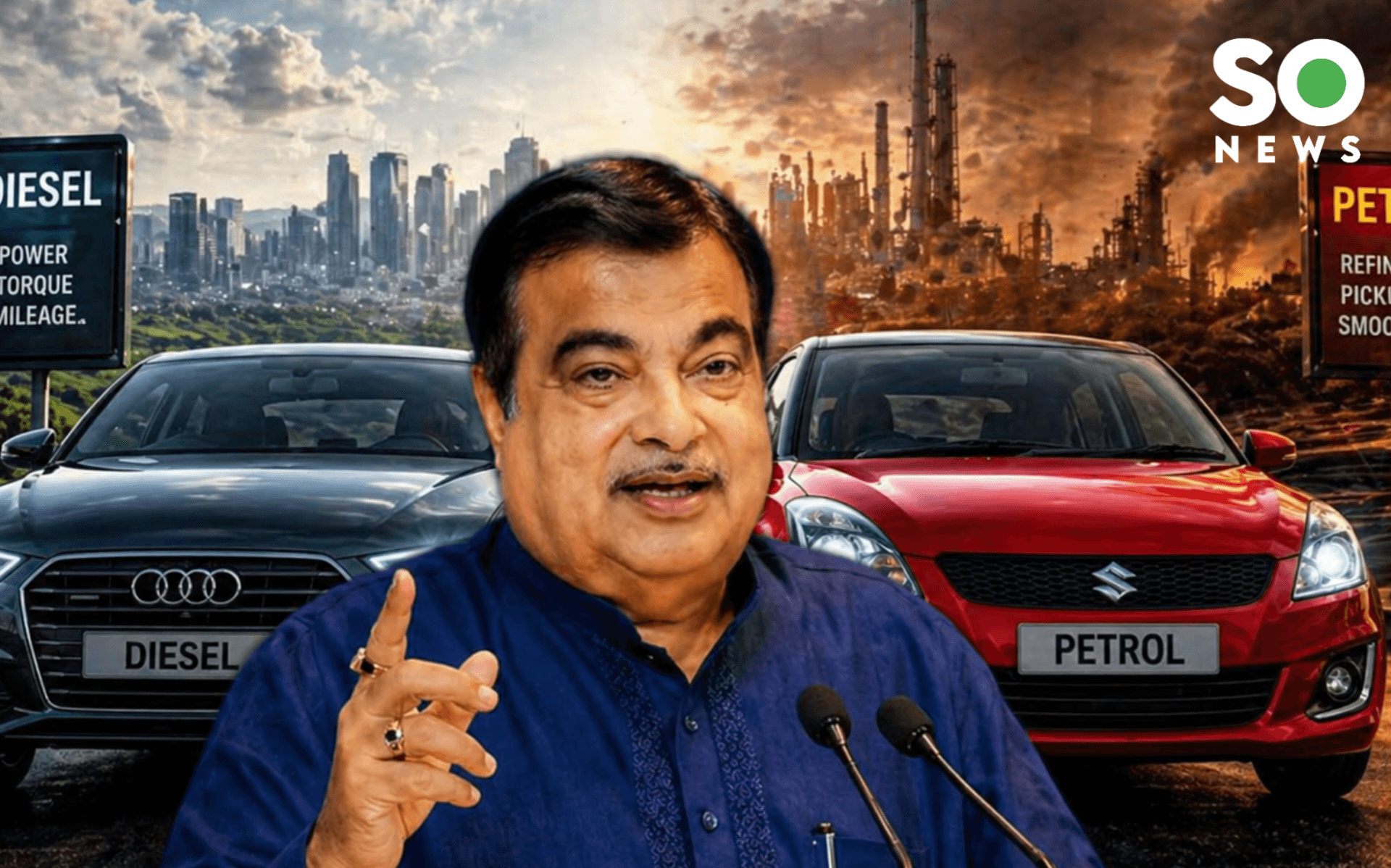
Union Road Transport and Highways Minister Nitin Gadkari has said there is no long-term future for diesel and petrol vehicles, urging the automobile industry to move quickly toward cleaner and sustainable alternatives. Speaking at the Busworld India Conclave, Gadkari said manufacturers must shift their focus to biofuels, electric vehicles, and other cleaner energy options.
His statement sends a strong signal about the government’s long-term direction for India’s transport sector, which is increasingly focused on reducing emissions, lowering fuel imports, and promoting energy self-reliance.
Clear Warning to the Auto Industry
Gadkari stated that the future of mobility cannot continue to depend on petrol and diesel. He urged automobile manufacturers, including major OEMs, to start preparing for a transition toward greener technologies.
According to him, companies need to diversify into cleaner alternatives rather than relying solely on traditional internal combustion engines. This reflects growing pressure on the auto industry to adapt to changing environmental and economic realities.
The minister specifically highlighted that the shift is no longer optional, but necessary for long-term growth.
Alternative Fuels in Focus
Instead of fossil fuels, Gadkari promoted a mix of cleaner transport solutions that can help reduce pollution and import dependence.
These include:
- Biofuels such as ethanol and methanol
- CNG and LNG for commercial transport
- Electric vehicles for urban mobility
- Hybrid and future clean fuel technologies
India has already been promoting ethanol blending, EV adoption, and natural gas infrastructure, and Gadkari’s comments reinforce this broader strategy.
Why Petrol and Diesel Face Pressure
One of the biggest reasons behind the push away from petrol and diesel is environmental impact. Fossil fuel vehicles remain a major contributor to urban air pollution and carbon emissions.
At the same time, India imports a large share of its crude oil requirements, creating a heavy financial burden on the economy. Rising global oil prices and geopolitical risks further expose the country to external shocks.
By shifting to domestic energy alternatives, India can:
- Reduce pollution in major cities
- Lower fuel import bills
- Improve energy security
- Support local industries linked to clean mobility
Impact on the Auto Sector
Gadkari’s remarks are likely to increase pressure on automakers to accelerate investments in electric vehicles, flex-fuel engines, and cleaner transport technologies.
For the industry, this could mean:
- Faster EV product launches
- Greater R&D in alternative fuels
- New partnerships in battery and charging ecosystems
- Transition in manufacturing supply chains
Companies that adapt early may benefit the most as policy and consumer preferences evolve.
The Bigger Picture
India is one of the world’s fastest-growing automobile markets, so any shift in transport policy carries major economic significance. Gadkari’s comments suggest the country wants to move from fuel dependency toward sustainable mobility at scale.
The transition may take time, but the policy direction is becoming clearer: cleaner transport will define the next phase of growth.
Conclusion
Nitin Gadkari’s statement that diesel and petrol vehicles have no future highlights India’s growing commitment to green mobility. With rising environmental concerns and import costs, the push toward EVs, biofuels, CNG, and other alternatives is expected to accelerate in the coming years.
For automakers, investors, and consumers, the message is clear: the future of transportation is changing.