Startup Originals Team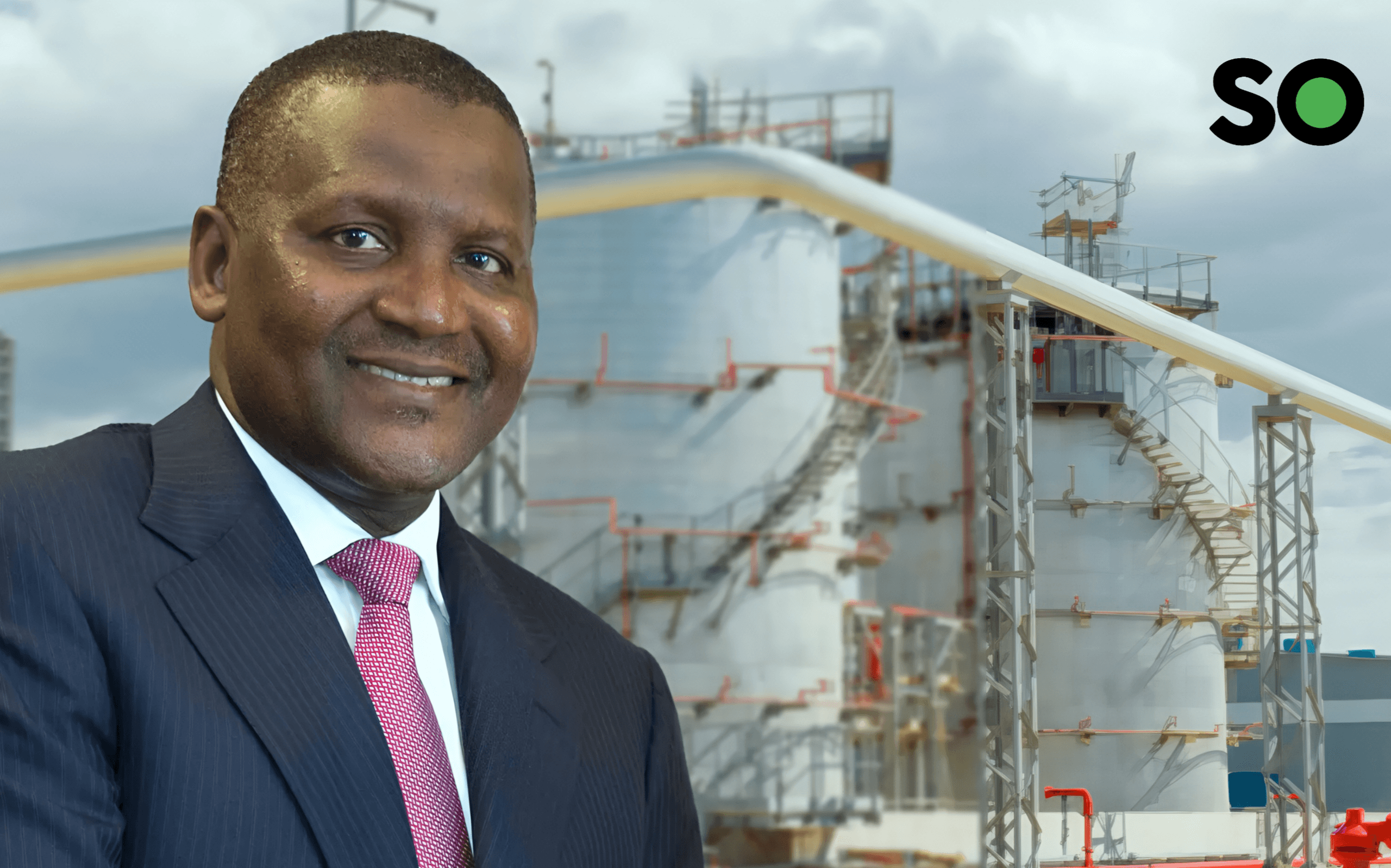
Success stories are often built on vision, patience, and the courage to start small. Few examples reflect that better than Aliko Dangote, the Nigerian entrepreneur who became the richest Black man in the world with an estimated net worth of over $30 billion.
From trading basic commodities to building one of Africa’s largest business empires, Dangote’s journey is a powerful example of long-term thinking and large-scale execution.
Early Life Rooted in Trade
Aliko Dangote was born in Kano, Nigeria, into a family with a strong trading background. Business was already part of his environment from an early age.
He was connected to the legacy of Alhassan Dantata, one of West Africa’s most successful traders. Growing up around commerce and entrepreneurship gave Dangote early exposure to how markets work and how wealth is created.
After studying business, he returned home with a clear ambition—not to inherit success, but to build something of his own.
The $3,000 Loan That Started It All
In 1977, Dangote took his first major step into business. With a $3,000 loan from his uncle, he began trading everyday commodities such as sugar, rice, and cement.
The business was simple, but it was built on consistency and discipline. He focused on products that were always in demand and ensured efficient supply and distribution.
That early model taught him an important lesson: small businesses built steadily can become massive enterprises over time.
From Trading to Building Industries
What began as commodity trading eventually grew into the Dangote Group, a diversified conglomerate operating across multiple African countries.
Instead of remaining a trader, Dangote shifted into manufacturing and infrastructure. This move helped him control supply chains and create long-term value.
His biggest success came through Dangote Cement, which became one of Africa’s leading cement producers and played a major role in the continent’s construction boom.
The Dangote Refinery: A Transformational Bet
Dangote’s ambition did not stop with cement. He later built the Dangote Refinery, one of the largest oil refineries in the world.
The project was more than a business investment. It was a strategic effort to help Africa reduce dependence on imported fuel and strengthen local industrial capacity.
This reflects a larger theme in his career:
- Build locally instead of importing
- Create industries instead of only trading goods
- Focus on long-term national impact alongside profits
Wealth, Influence, and Philanthropy
Today, with a net worth exceeding $30 billion, Dangote is not only one of the world’s richest individuals but also one of Africa’s most influential business leaders.
His impact extends beyond business:
- He has advised on economic policy in Nigeria
- He has received major national honours
- Through the Dangote Foundation, he supports healthcare, education, and poverty relief initiatives
This combination of wealth and public impact has made him a defining figure in modern African business.
The Bigger Picture
Aliko Dangote’s journey shows how entrepreneurship can transform not only personal fortunes but entire economies. By moving from trading to industrialisation, he helped create jobs, infrastructure, and self-reliance across Africa.
His story also proves that:
- Great businesses often start with small capital
- Consistency can outperform glamour
- Vision matters more than starting size
Conclusion
From a $3,000 loan to a $30 billion empire, Aliko Dangote’s rise is one of the most remarkable business stories in the world. He did not just build companies—he built industries.
His legacy is not only wealth, but the belief that emerging markets can create global business giants of their own.