Startup Originals Team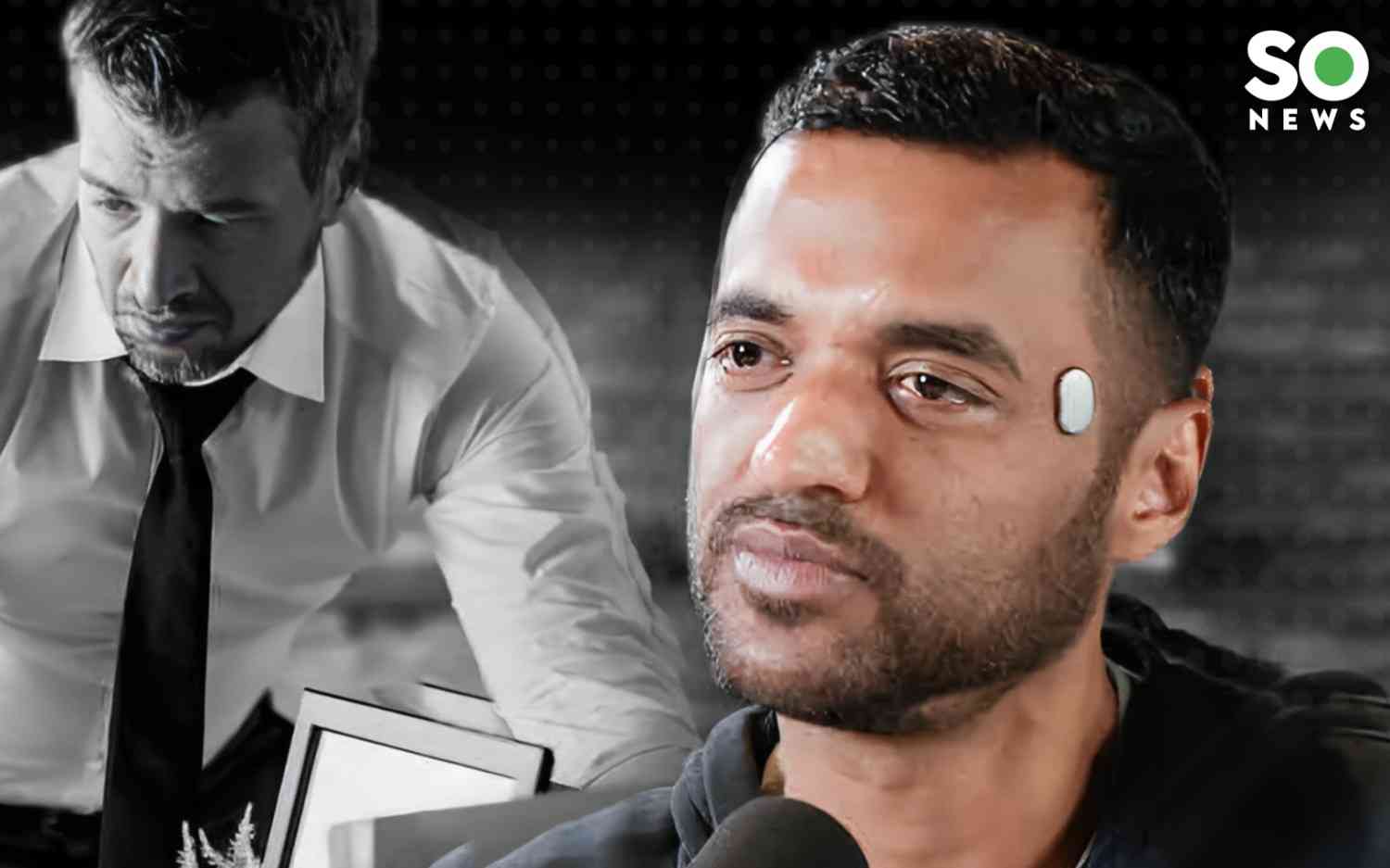
In a candid insight into leadership and self-reflection, Deepinder Goyal, co-founder of food delivery giant Zomato, revealed that he once removed himself from the role of CEO during a difficult phase in the company’s journey. Rather than cling to the title, Goyal said he prioritised the work he loved, product development and execution, over corporate hierarchy.
A Tough Phase in Zomato’s Early Years
According to Goyal, Zomato faced significant pressures in its early growth years as the startup navigated cash flow challenges, intense competition, and rapid scaling demands. During that turbulent period, he made a bold internal decision: to step aside from the CEO role in operational leadership to focus on areas where he believed he could add the most value.
Why He Stepped Back
Goyal explained that the move wasn’t about ego or failure but self-awareness and prioritisation. He recognised that his strengths lay in product strategy, user experience, and building technology. By letting others lead the company’s operational front, he could channel his energy into shaping the product, a decision he felt was best for both the company and himself.
A Different Kind of Leadership
Rather than viewing the CEO role as the pinnacle of achievement, Goyal emphasised that meaningful work and impact matter more than titles. By “firing himself” as CEO during that challenging phase, he set an example of leader-led adjustment based on company needs, not personal position.
Return and Reinvention
Over time, as Zomato stabilised and grew, Goyal returned to a central leadership role with renewed perspective. His focus on product excellence, user engagement, and strategic innovation helped Zomato evolve into India’s most widely used food delivery platform and one of the leading tech companies in the country.
The Bigger Message
Goyal’s reflection resonates with many founders in the startup ecosystem: leadership is not about clinging to titles but doing the work that matters most. His choice to prioritise product over position underlines a broader philosophy, success comes from passion, clarity of role, and willingness to change for the company’s greater good.
Conclusion
Deepinder Goyal’s admission that he once effectively “fired himself” as CEO shows the unconventional decisions that often define startup journeys. It’s a reminder that in times of uncertainty, flexibility and focusing on strengths can be more valuable than any title on a business card.