Startup Originals Team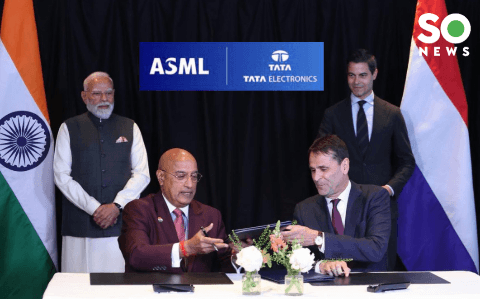
Tata Electronics and Dutch semiconductor equipment giant ASML have signed a strategic partnership to support semiconductor manufacturing in India. The collaboration is expected to play a major role in Tata Electronics’ upcoming chip fabrication plant in Dholera, Gujarat, which is projected to become India’s first commercial semiconductor fab.
The partnership is reportedly part of a larger $11 billion semiconductor initiative, marking one of India’s biggest moves toward building a domestic chip manufacturing ecosystem.
A Major Step for India’s Chip Manufacturing Ambitions
India has long depended heavily on imported semiconductor chips despite being one of the world’s largest technology and electronics markets.
The Tata-ASML partnership is aimed at changing that by helping establish:
- Advanced semiconductor manufacturing capabilities
- Domestic chip production infrastructure
- Technology transfer and ecosystem development
The upcoming Dholera plant in Gujarat is expected to become a critical milestone in India’s semiconductor journey.
Why ASML Is Important
ASML is one of the world’s most important semiconductor technology companies and a key supplier to global chipmakers.
The company is known for:
- Advanced lithography systems
- Chip fabrication equipment
- Semiconductor manufacturing technologies used globally
Its machines are considered essential for producing advanced semiconductor chips used in:
- Smartphones
- AI systems
- Data centres
- Automotive electronics
- Consumer devices
Partnering with ASML gives Tata Electronics access to world-class semiconductor manufacturing expertise and equipment.
About the Dholera Semiconductor Plant
The planned semiconductor facility in Dholera, Gujarat, is expected to become:
- India’s first commercial chip fabrication unit
- A key part of the country’s semiconductor self-reliance strategy
The plant is expected to support:
- Domestic electronics manufacturing
- Supply chain resilience
- Growth of India’s technology ecosystem
The project also aligns with the Indian government’s broader semiconductor mission aimed at reducing import dependence.
Why Semiconductor Manufacturing Matters
Semiconductors are now considered the backbone of the modern digital economy. They power:
- Smartphones
- Electric vehicles
- AI infrastructure
- Defence systems
- Industrial automation
Global chip shortages in recent years exposed how critical semiconductor supply chains are for economic stability and national security.
India is now trying to position itself as:
- A global electronics manufacturing hub
- A semiconductor production destination
- A strategic alternative in global supply chains
Economic and Strategic Impact
The Tata-ASML collaboration could create long-term benefits such as:
- High-skilled job creation
- Technology ecosystem growth
- Increased foreign investment
- Expansion of local electronics manufacturing
It may also encourage other global semiconductor companies to invest in India’s emerging chip ecosystem.
The Bigger Picture
India’s semiconductor ambitions are accelerating rapidly through partnerships between global technology leaders and domestic industrial groups.
With support from government incentives and rising demand for chips worldwide, the country is aiming to become a significant player in the global semiconductor industry over the next decade.
The Tata-ASML partnership represents one of the strongest signals yet that India’s chip manufacturing ambitions are moving from planning to execution.
Conclusion
The strategic partnership between Tata Electronics and ASML marks a major milestone in India’s semiconductor journey. With the upcoming Dholera chip fab expected to become India’s first commercial semiconductor manufacturing facility, the collaboration could play a key role in shaping the future of India’s technology and manufacturing ecosystem.