Startup Originals Team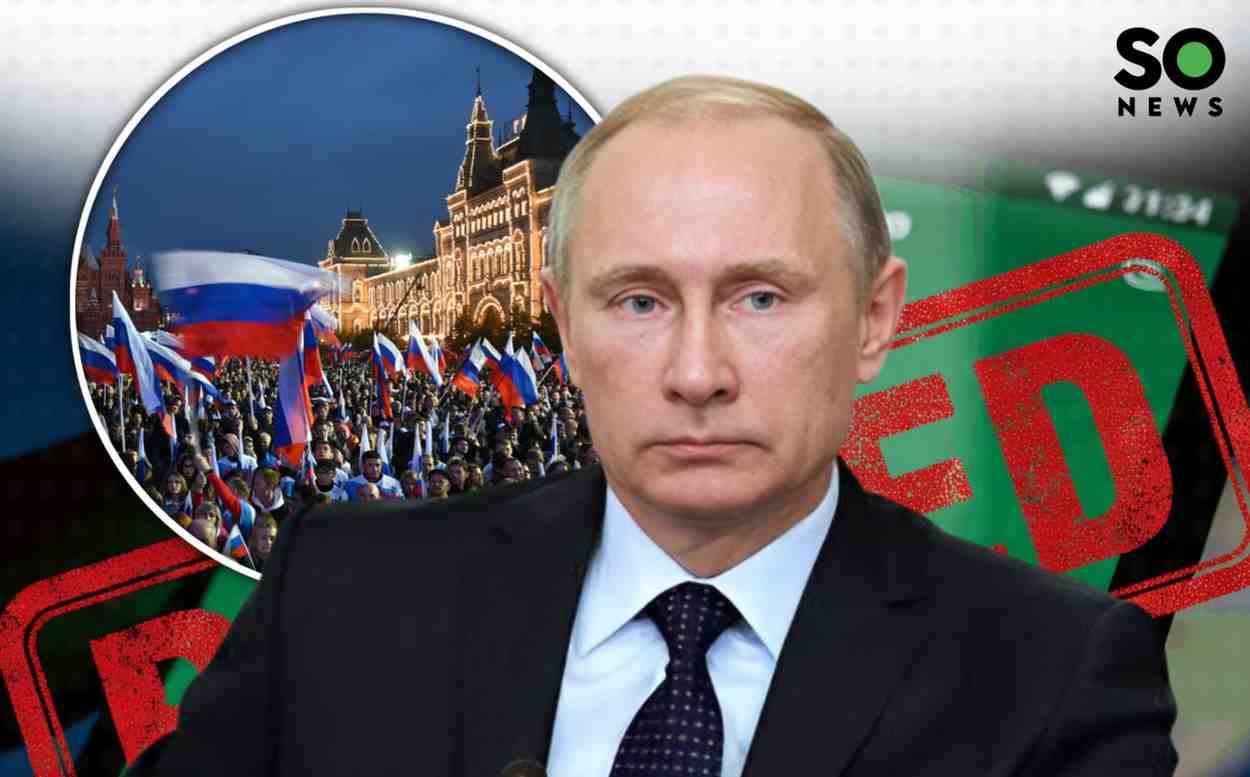
Russia has blocked access to WhatsApp across the country in a sweeping move against Meta-owned platforms, escalating its crackdown on foreign digital services. The decision has sparked concern among users and digital rights observers, with WhatsApp warning that the ban could reduce online safety and privacy for millions of people.
Nationwide Block Implemented
Authorities in Russia have restricted access to WhatsApp nationwide, making the popular messaging service inaccessible without workarounds such as virtual private networks (VPNs). The block forms part of a broader campaign to tighten control over online communication and reduce reliance on foreign-owned platforms.
Russian regulators have not announced a specific timeline for restoring access, indicating that the restrictions could remain in place indefinitely.
Part of a Broader Move Against Meta
WhatsApp is owned by Meta, whose other major platforms, including Facebook and Instagram, have already been banned or restricted in Russia. Officials have repeatedly accused Meta of failing to comply with local laws and regulations, particularly around content moderation and data governance.
The WhatsApp ban further narrows the space for global social media and communication platforms operating in the country.
WhatsApp Warns of Safety Risks
In response to the ban, WhatsApp said the move would undermine user safety and privacy. The company has argued that its end-to-end encryption protects users from surveillance, fraud, and data misuse, and that blocking the service could push people toward less secure alternatives.
WhatsApp also noted that the platform is widely used for personal communication, small businesses, and community coordination, making the impact of the ban far-reaching.
Impact on Users and Businesses
WhatsApp is one of the most widely used messaging apps in Russia, relied upon by individuals, entrepreneurs, and organisations for everyday communication. The block is expected to disrupt personal messaging, customer support channels, and small business operations that depend on the platform.
Analysts say users may migrate to domestic or state-supported messaging apps, though concerns remain around privacy, data security, and censorship on alternative platforms.
Digital Control and Information Flow
The move is seen as part of Russia’s broader effort to assert digital sovereignty and control information flows within its borders. Over recent years, authorities have introduced tighter internet regulations, blocked multiple foreign platforms, and promoted domestic technology alternatives.
Critics argue that such actions limit freedom of expression and reduce access to secure communication tools, while supporters say they are necessary for national security and regulatory compliance.
What Comes Next
With WhatsApp now blocked, attention will turn to how users adapt and whether further restrictions on foreign digital services follow. Technology companies and rights groups are closely watching developments, as the decision could set a precedent for similar actions elsewhere.
For now, the nationwide WhatsApp ban marks one of Russia’s most significant moves yet against a global messaging platform, reshaping the country’s digital communication landscape.