Startup Originals Team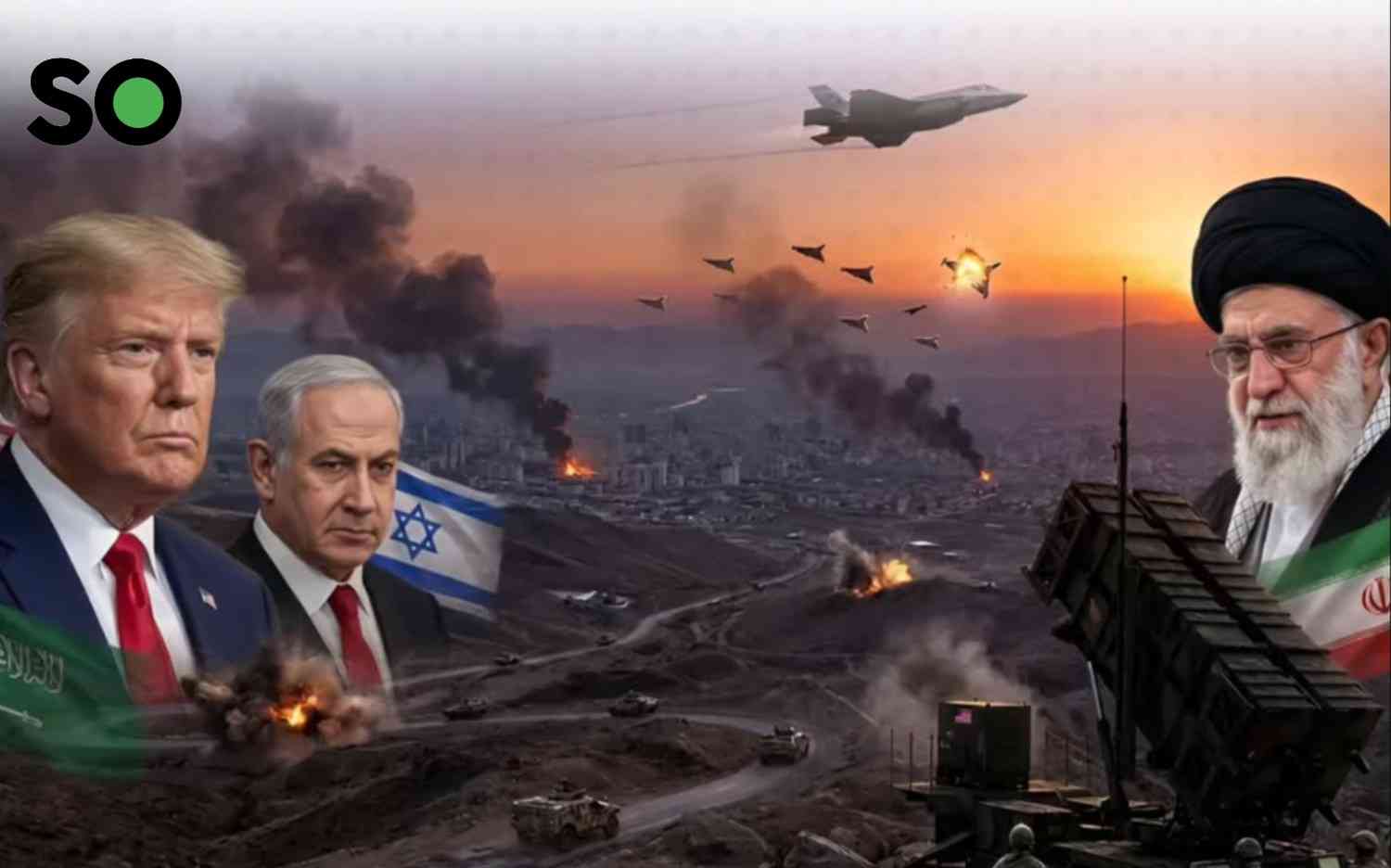
Escalating tensions and conflict in the Middle East have triggered major volatility across global financial markets, wiping out more than ₹30 lakh crore in investor wealth. The sudden surge in geopolitical uncertainty has rattled investors and led to sharp declines in stock markets worldwide.
Markets React to Rising Tensions
As the conflict intensified, investors rushed to exit riskier assets, causing widespread selling across equity markets. Concerns over potential disruptions to global trade, energy supply, and economic stability led to a sharp fall in market sentiment.
Stock markets across multiple regions experienced steep losses as traders responded to the growing uncertainty surrounding the situation.
Investor Confidence Takes a Hit
Geopolitical crises often create uncertainty that makes investors cautious about holding equities and other high risk investments. The current conflict has amplified fears about economic instability and rising commodity prices, particularly oil.
These concerns have led to significant wealth erosion in the stock market, with billions in market capitalization wiped out in a short span of time.
Oil and Global Economy Concerns
The Middle East is a critical region for global energy supply, and any escalation in conflict raises fears of oil price shocks. Rising oil prices could impact inflation levels worldwide and increase costs for businesses and consumers.
Such risks often cause investors to move funds toward safer assets like gold and government bonds during periods of instability.
Conclusion
The ongoing conflict in the Middle East has already had a major impact on global financial markets, wiping out more than ₹30 lakh crore in investor wealth. As geopolitical tensions continue, market volatility is expected to remain high, with investors closely monitoring developments that could influence the global economic outlook.