Startup Originals Team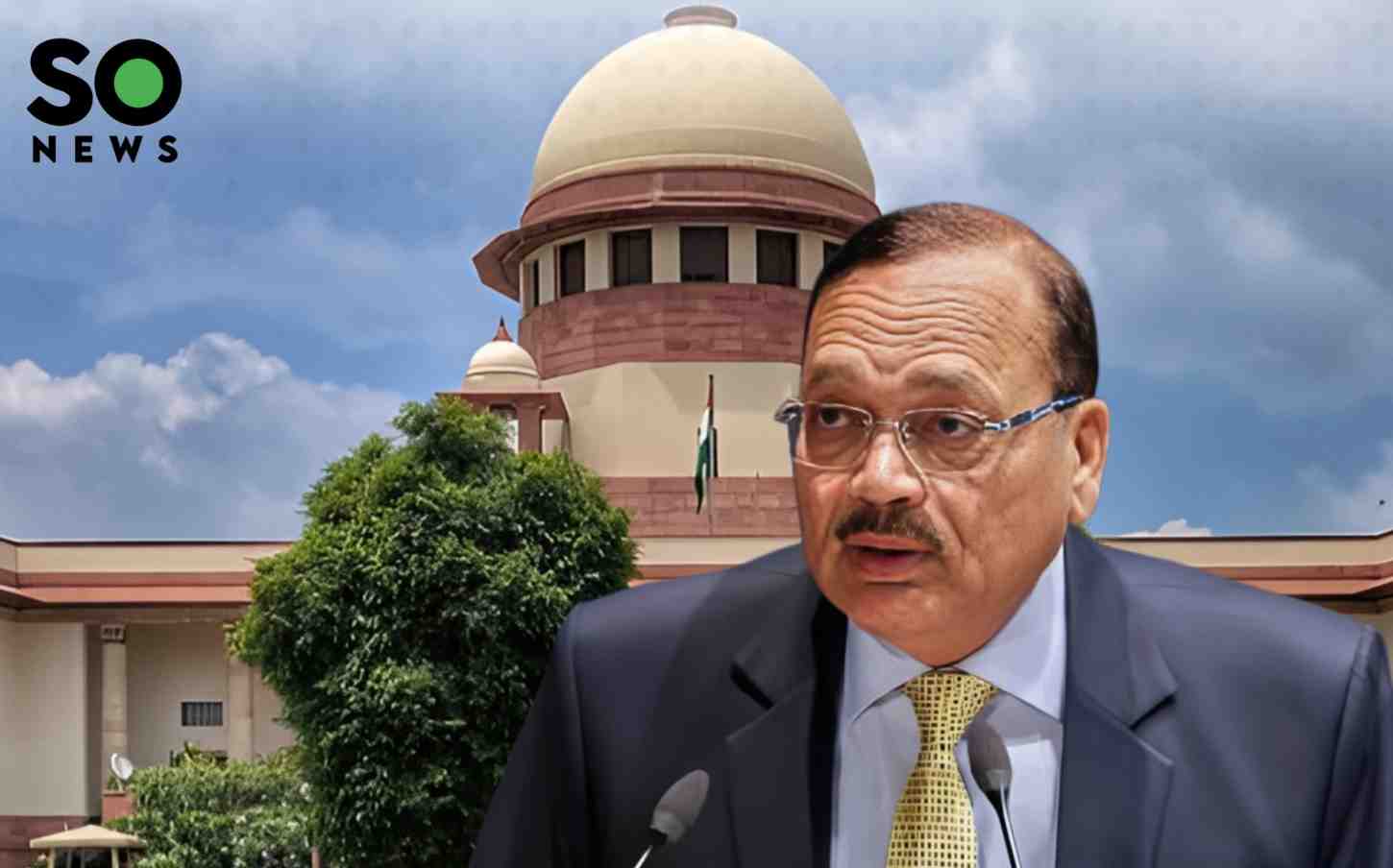
India’s Chief Justice D Y Chandrachud has raised concerns that introducing mandatory menstrual leave policies could unintentionally lead to hiring bias against women. The remarks came during a court hearing on a petition seeking paid menstrual leave for working women across the country.
Court Hearing on Menstrual Leave Policy
The Supreme Court of India was hearing a plea that urged the government to implement a policy granting paid leave during menstruation. The petition argued that such a provision would support women’s health, dignity, and workplace equality.
However, the court highlighted the complexity of the issue, pointing out that well intentioned policies can sometimes create unintended consequences in the job market.
Concern Over Workplace Discrimination
CJI Chandrachud noted that mandating menstrual leave could make some employers hesitant to hire women, especially in competitive sectors. Companies might perceive women employees as having higher compliance costs or operational challenges, potentially leading to reduced hiring opportunities.
The observation reflects a broader concern about balancing employee welfare with workplace equality and fairness in hiring practices.
Need for a Balanced Approach
The court emphasized that while supporting women’s health is important, policies must be designed carefully to avoid reinforcing gender stereotypes or creating barriers to employment.
Experts suggest that instead of rigid mandates, flexible workplace policies and inclusive practices may help address the issue more effectively without impacting hiring decisions.
Conclusion
The discussion around menstrual leave highlights the delicate balance between employee welfare and workplace equality. As the debate continues, policymakers will need to carefully evaluate how to support women’s health while ensuring equal opportunities in the job market.