Startup Originals Team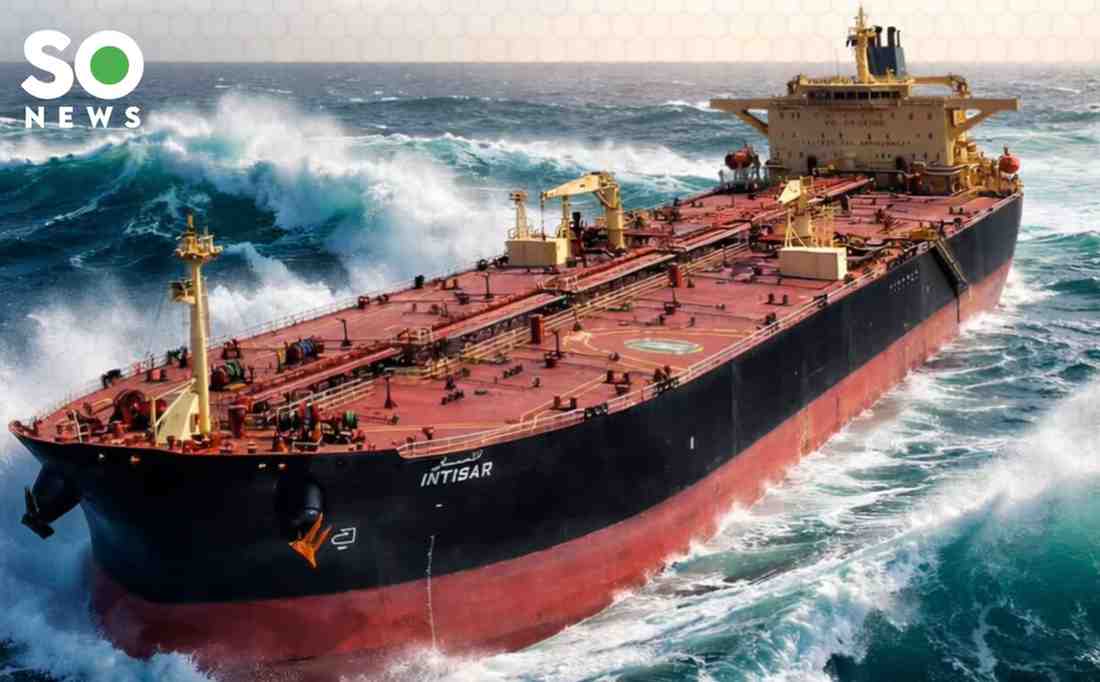
An Iranian oil tanker carrying crude to India has changed course mid-journey and is now heading to China, highlighting the ongoing challenges in global oil trade due to sanctions and payment complications.
The vessel, identified as Ping Shun, was transporting around 600,000 barrels of Iranian crude oil and was originally headed to Vadinar port in Gujarat. If the shipment had been completed, it would have marked India’s first import of Iranian oil since 2019, when purchases were stopped following strict US sanctions.
Why the Ship Rerouted to China
The tanker reportedly changed its destination just days before reaching India due to payment-related issues.
Because of sanctions on Iran, normal banking channels remain restricted. This creates multiple challenges:
- Difficulty in processing international payments
- Demand for upfront or faster payments from sellers
- Risk of financial penalties for buyers
- Limited insurance and shipping support
These complications make deals risky for Indian refiners, even when opportunities arise.
India’s Cautious Approach
Despite occasional flexibility in sanctions, Indian refiners have remained careful. Key concerns include:
- Uncertainty around sanction policies
- Challenges in currency settlement
- Insurance and shipping risks
- Potential legal exposure
Because of this, India has avoided resuming large-scale imports of Iranian crude.
China’s Advantage in Iranian Oil Trade
In contrast, China continues to buy Iranian oil consistently.
China manages to navigate sanctions through:
- Alternative payment systems
- Flexible trade arrangements
- Stronger risk tolerance
This makes it a more reliable destination for Iranian shipments when deals with other countries fall through.
What This Means for Global Oil Markets
This incident reflects a broader reality in the energy market:
- Geopolitical tensions continue to disrupt oil trade
- Sanctions still heavily influence global supply chains
- Payment systems are a major bottleneck in international deals
Even when supply is available, financial and political risks can stop transactions from happening.
Conclusion
The rerouting of the Iranian oil tanker from India to China shows that global oil trade is not just about supply and demand. It is also shaped by sanctions, payment systems, and geopolitical uncertainty.
For India, caution remains the priority. For China, flexibility continues to create opportunities.