Startup Originals Team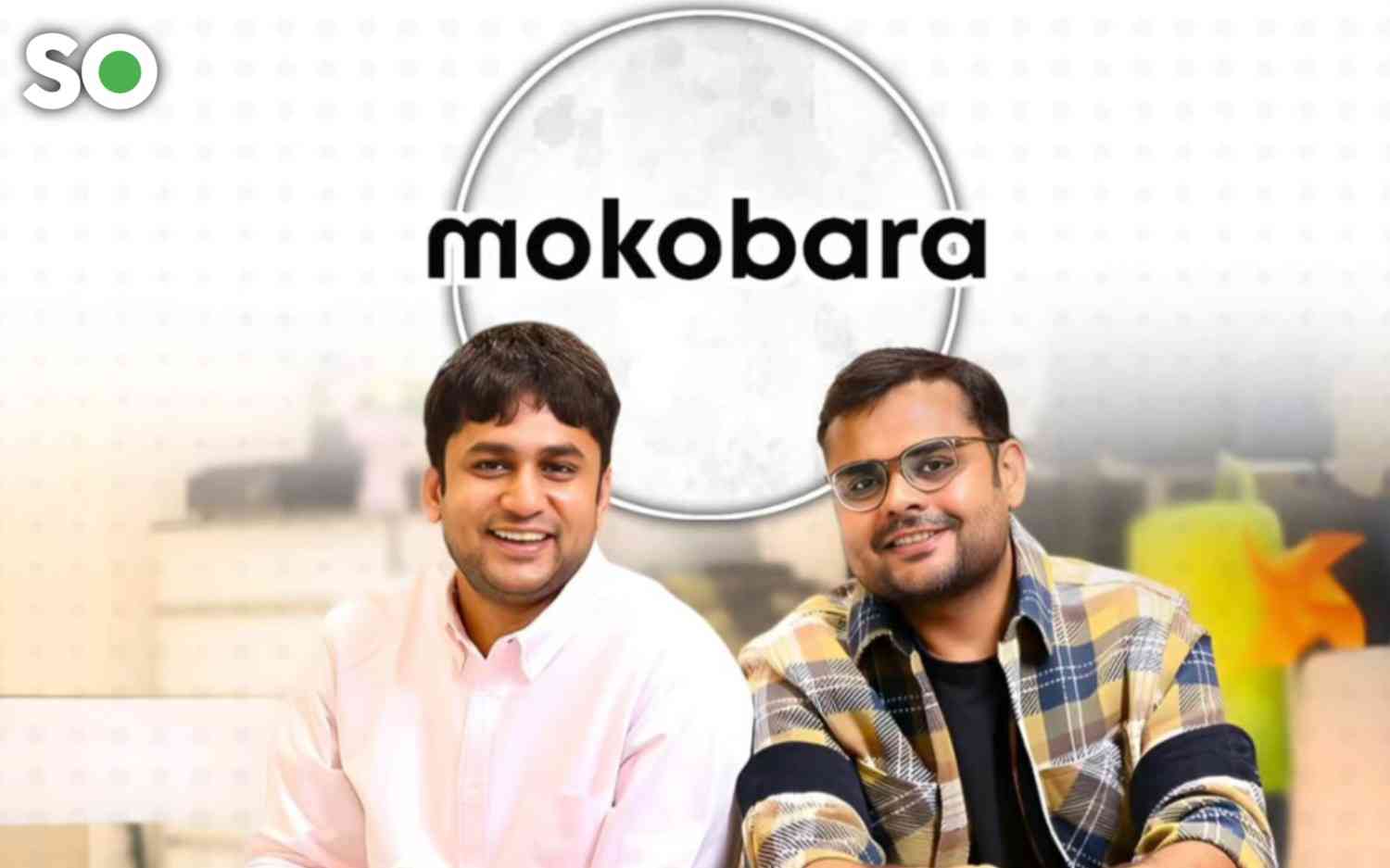
In 2019, two professionals walked away from comfortable corporate careers to build something bold. Mokobara was founded by Sangeet Agrawal and Navin Parwal with a simple but powerful belief, travel gear should carry your personality, not just your clothes. What started as an idea to redesign luggage soon became a mission to transform how India travels.
The Early Struggles – Rejection Before Recognition
Their journey did not begin with applause. When they first showcased their prototype in a Bengaluru cafeteria in 2020, it failed to attract attention. Some early feedback even called the bags “toy-like” and “too weird.” Thirty-three investors rejected them, insisting no one would buy ₹10,000 luggage online. But instead of quitting, the founders doubled down. They spent 18 months perfecting details as small as zippers before selling even a single bag, proving their commitment to quality over quick sales.
Pandemic Shock – Building During Uncertainty
Mokobara launched online in 2020 and sold 200 units in its first month. Then the pandemic hit, and travel nearly stopped. For a luggage startup, this could have been the end. But patience and persistence became their biggest strengths. While the world paused, they focused on refining products, strengthening branding, and preparing for the travel rebound that would eventually come.
The Breakthrough – From Hundreds to Thousands
When travel demand returned, Mokobara was ready. By 2024, the company was shipping over 35,000 units every month. In FY25, revenue crossed ₹240 crore, a massive leap from its early days. Backed by Peak XV Partners, Sauce.vc, and Saama Capital, the startup raised around $24 million. Its valuation reportedly climbed to nearly ₹700 crore, proving its critics wrong.
Expanding Horizons – From Online to Omnichannel
What began as an online-first brand quickly moved offline. By early 2026, Mokobara operated more than 28 stores across major cities like Bengaluru, New Delhi, Mumbai, and Pune, with plans to expand beyond 100 outlets. It also strengthened distribution through platforms like Myntra, Amazon, and Nykaa, while partnering with IndiGo for the Moko 6E luggage range.
Redefining Travel – More Than Just Suitcases
With premium Hinomoto wheels, sleek front-opening compartments, and Instagram-worthy aesthetics, Mokobara turned luggage into a fashion statement. It did not just sell suitcases — it sold identity. The brand proved that Indian consumers are ready to pay for thoughtful design, quality engineering, and aspirational branding.
Conclusion – A Lesson in Belief and Boldness
From investor rejections and pandemic setbacks to a ₹240 crore revenue milestone, Mokobara’s journey is a reminder that strong conviction beats early criticism. By focusing on design, durability, and brand storytelling, it reshaped India’s luggage market, carrying not just baggage, but ambition, resilience, and identity.