Startup Originals Team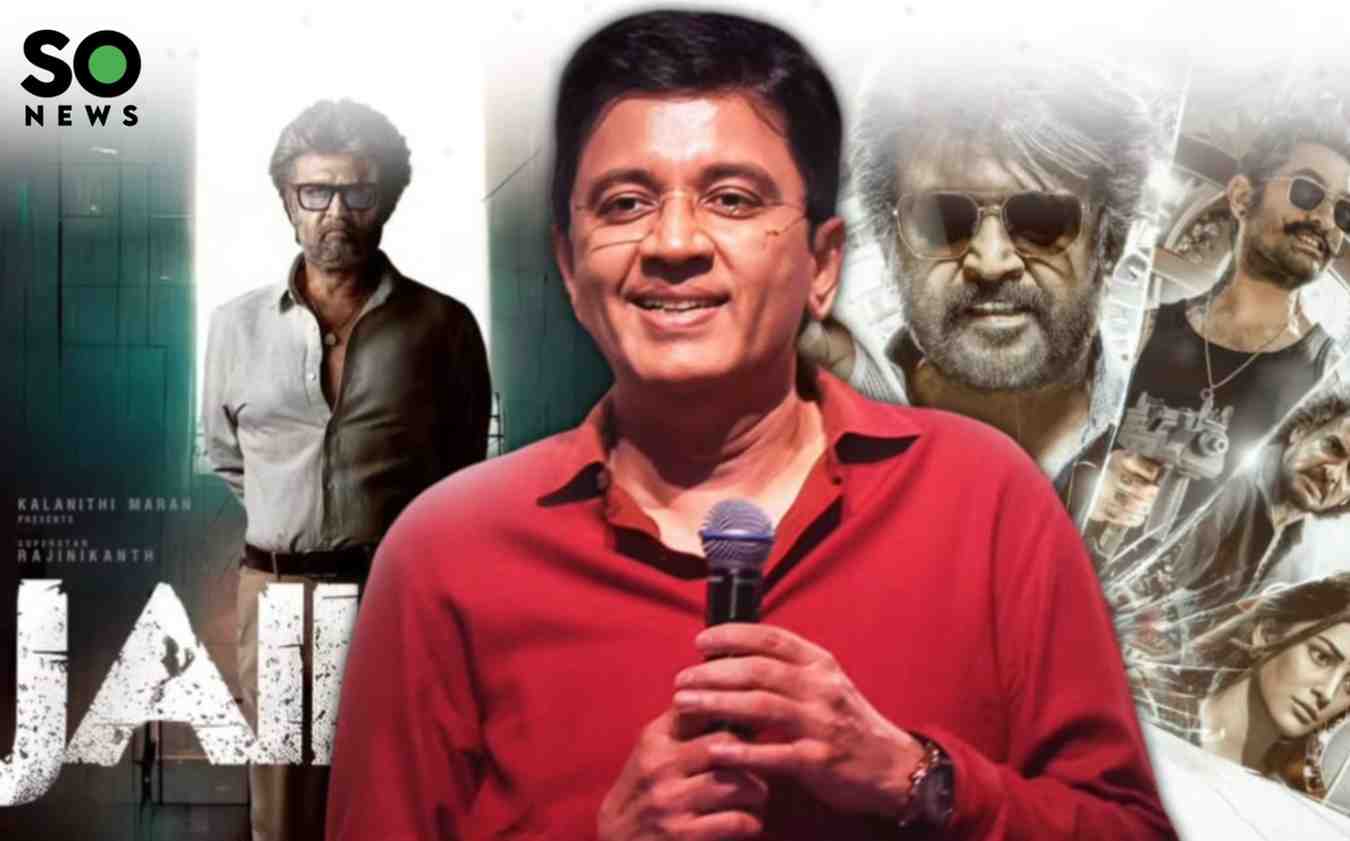
Kalanithi Maran, one of India’s most influential media entrepreneurs, transformed a small regional idea into the country’s largest media conglomerate. From launching a modest Tamil video magazine in 1990 to leading a billion-dollar empire spanning television, radio, films, OTT, DTH and sports, his journey stands as one of the most remarkable success stories in India’s business landscape.
Early Life and Education: Seeds of a Visionary
Born on 24 July 1964 in Chennai to former Union Minister Murasoli Maran, and the grand-nephew of former Tamil Nadu Chief Minister M. Karunanidhi, Kalanithi belonged to a family deeply rooted in politics. Yet he always wished to be “the black sheep”, someone who would chart his own path outside politics.
He studied at Don Bosco, Chennai, completed his commerce degree at Loyola College, and went on to pursue an MBA at the University of Scranton in Pennsylvania, where he was exposed to the diversity of American television. While India had only Doordarshan, the U.S. offered hundreds of channels, a contrast that sparked his desire to bring multi-genre media to India.
First Attempt: A Video Magazine and a Valuable Lesson
After returning to India in 1987, Maran joined the family publication briefly before launching Poomaalai, a monthly Tamil video magazine, in 1990. Although the concept was ahead of its time, piracy crippled its business model, forcing it to shut down within two years.
But this setback became the foundation of his future empire, teaching him distribution challenges, audience behaviour, and the enormous potential of visual media among Tamil audiences worldwide.
Turning Point: The Birth of Sun TV
In 1993, Maran took the bold step of founding Sun TV with a small team of 25 people and a loan of $86,000. He secured limited transponder space from ATN and initially aired just three hours of Tamil programming.
However, Maran understood a critical truth:
Content may attract viewers, but distribution creates dominance.
He aggressively built control over cable distribution in Tamil Nadu, ensuring that Sun TV reached every household before competitors could.
This single strategy became the backbone of Sun Group’s meteoric rise.
Rise of a Media Empire:
Sun TV quickly became the most-watched channel in Tamil Nadu, offering movies, serials, music and entertainment of a quality and scale Doordarshan could not match. As the audience base expanded, Maran launched new channels in:
- Tamil
- Telugu
- Kannada
- Malayalam
- Bengali
- Marathi
Today, the Sun Group runs 37 channels, several FM radio stations, print publications, and the popular DTH service Sun Direct.
Expanding Into Films, Digital and Sports:
With the launch of Sun Pictures, Maran transformed into a film mogul, producing some of the biggest blockbusters in South India.
In 2023, Jailer starring Rajinikanth became one of the highest-grossing Tamil films of all time, reaffirming Sun Pictures’ dominance.
To capture the digital audience, he launched Sun NXT, one of India’s earliest OTT platforms with content across languages.
The group further expanded into sports through:
- Sunrisers Hyderabad (IPL)
- Sunrisers Eastern Cape (South Africa T20 League)
These teams are now managed by his daughter Kavya Maran, representing the next generation of the family’s media and sports leadership.
A Foray Into Aviation:
In 2010, Kalanithi Maran acquired a 37.7% stake in SpiceJet, later increasing it to over 50%. He attempted an aggressive turnaround and remained the majority shareholder until 2015, eventually selling the stake back to co-founder Ajay Singh during the airline’s financial restructuring.
Achievements, Wealth and Recognition:
In 2006, Sun TV’s IPO raised $133 million for just 10% of the company, making Maran one of India’s youngest billionaires.
In 2014, Kalanithi and his wife Kavery Maran became the highest-paid corporate executives in India, drawing ₹62 crore each.
As of 2023, his net worth was estimated at US$3 billion, placing him among India’s wealthiest individuals.
Conclusion: A Legacy of Vision, Risk and Reinvention
Kalanithi Maran’s journey from a small video magazine to India’s largest media powerhouse is a testament to strategic thinking, resilience and bold risk-taking. By understanding regional audiences, mastering distribution and constantly expanding across new sectors, he built a media empire that reshaped India’s entertainment landscape.
His story remains one of the greatest examples of how vision, persistence and innovation can create a legacy that inspires generations.