Startup Originals Team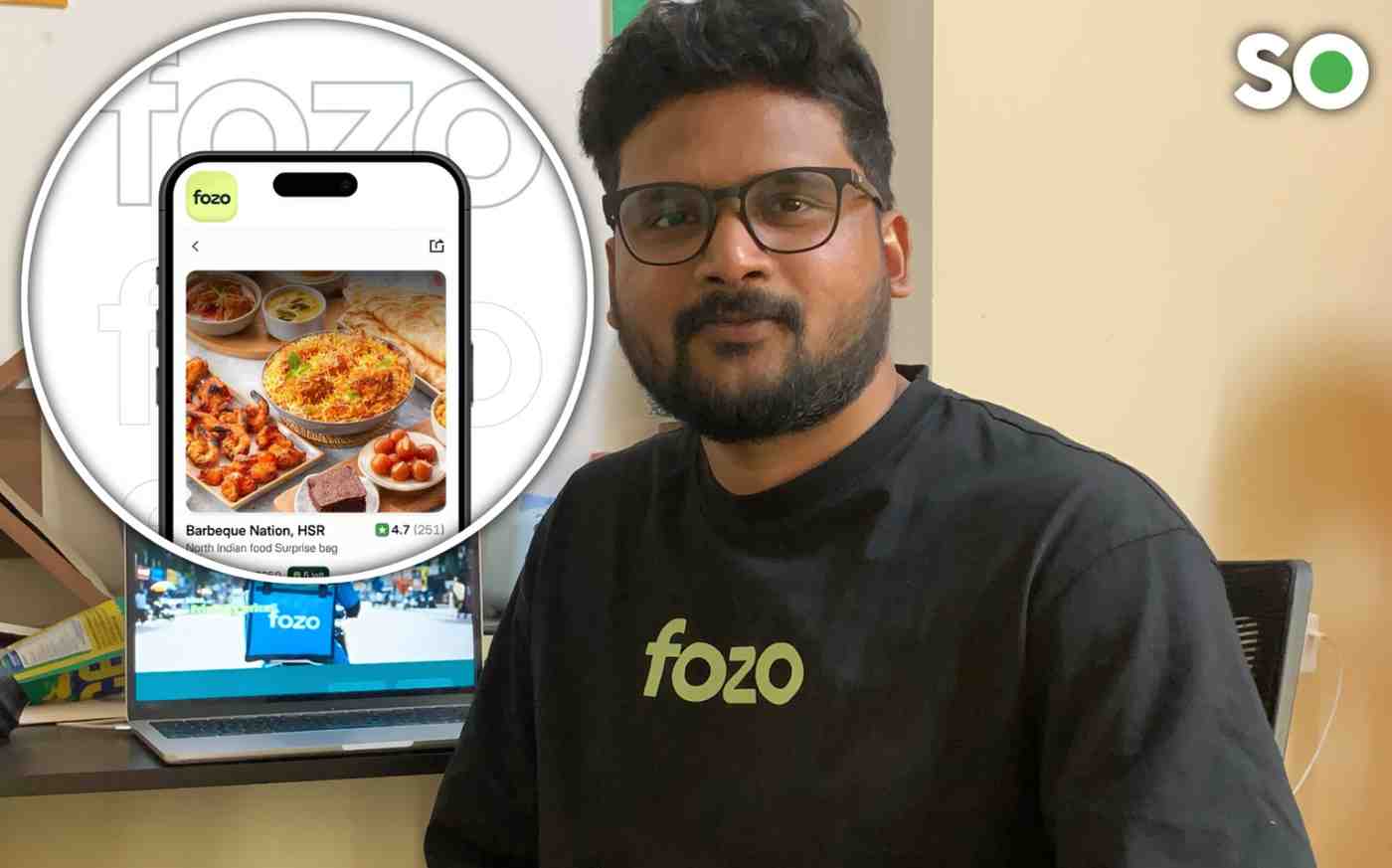
In a country where millions sleep hungry, nearly 40 percent of food produced is wasted every year. That contradiction troubled the founder of Fozo. Instead of accepting it as an unfortunate reality, he decided to build a solution that could connect surplus food with people who need it – efficiently and responsibly.
The Problem No One Wanted to Solve
Food waste in India happens at multiple levels – restaurants, events, catering services, and even households. While surplus food often ends up in landfills, hunger continues to be a serious issue. The founder of Fozo recognised that the gap was not about food availability, but about distribution and logistics.
Building Fozo
Fozo was created as a surplus food delivery platform designed to bridge this gap. The app enables restaurants, hotels, and event organisers to list excess food, which can then be redirected instead of wasted. By leveraging technology, the platform aims to reduce wastage while supporting communities in need.
The startup focuses not only on redistribution but also on building awareness around sustainable consumption. Its mission goes beyond business – it is about creating behavioural change in how food is valued.
Challenges and Early Growth
Launching a food redistribution model comes with operational challenges, including food safety, real time coordination, and maintaining quality standards. Fozo had to design systems that ensured hygiene compliance while keeping the logistics cost effective.
Despite these hurdles, the startup steadily built partnerships and gained traction among socially conscious consumers and businesses.
A Mission Larger Than Profits
Fozo’s vision is rooted in impact. By reducing food waste, the platform contributes to sustainability, lowers environmental damage from discarded food, and addresses hunger at the same time.
The founder believes that if technology can deliver groceries in minutes, it can also be used to ensure surplus food does not go to waste.
Conclusion
Fozo is more than just a delivery app. It represents a shift in mindset – from waste to responsibility. In a country losing nearly 40 percent of its food supply every year, one founder chose action over complaint.
His mission is simple but powerful: make sure good food feeds people, not landfills.