Startup Originals Team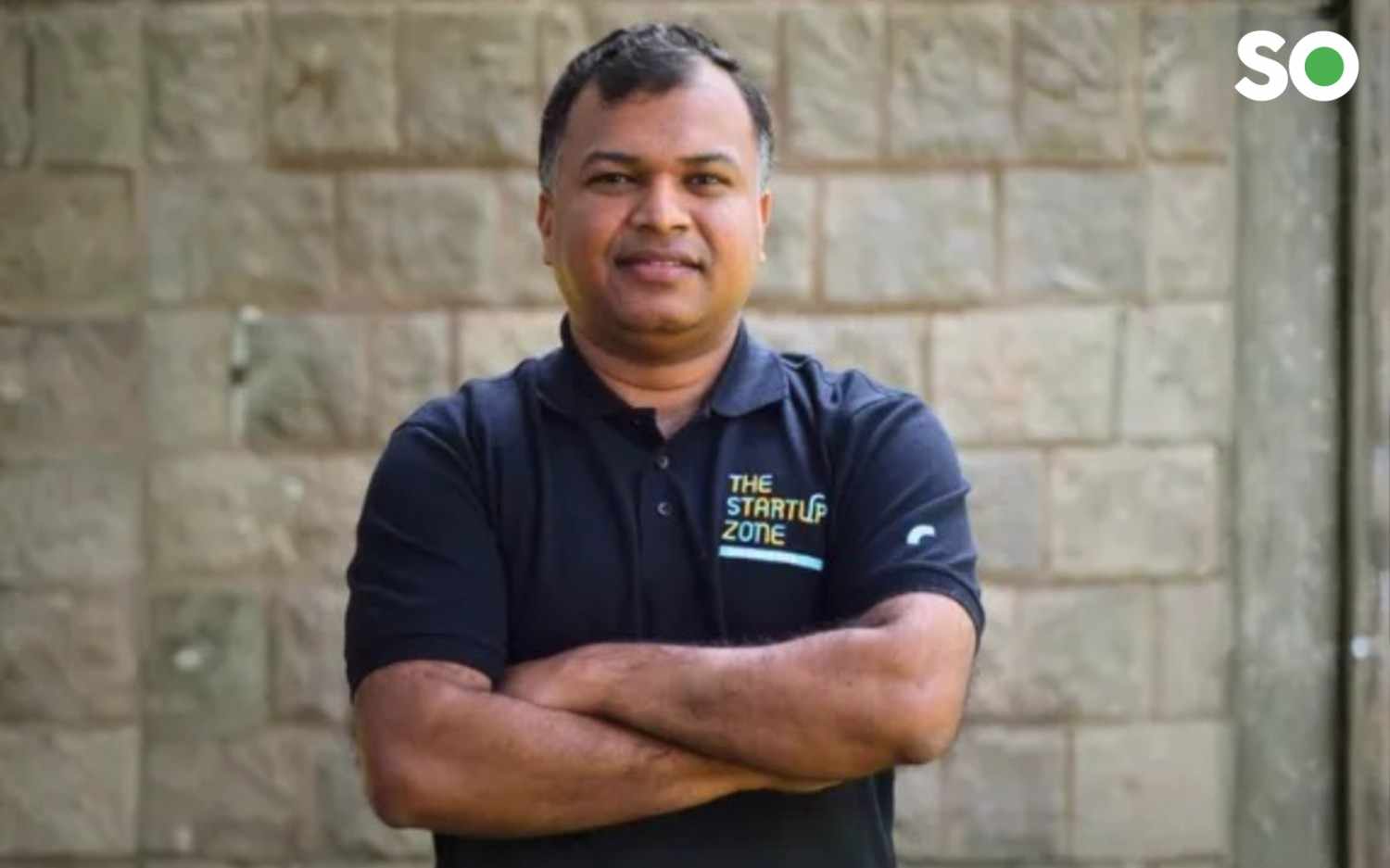
When most first-time entrepreneurs dive into the startup world, the excitement often gives way to frustration, especially when faced with India’s maze of registrations, tax filings and legal formalities. The Startup Zone founder Sharath Shyamasunder experienced this firsthand, and rather than succumb to it, he turned it into a business. Launched from his home in Bengaluru with just ₹2–3 lakh in 2015, the company has grown into a full-fledged compliance partner helping over 5,000 startups, and is on its way to crossing the ₹3 crore revenue milestone.
A Chaotic Beginning
Sharath’s entrepreneurial journey began with a side business, The Invitation Store, in 2011. Soon he discovered the dark side of the startup world: the exhaustive paperwork and arbitrary compliance demands. He recalls spending time and money on a service-tax registration he didn’t even need, a mistake that opened his eyes.
After shutting that venture, he joined legal-tech firm Vakil Search as head of sales and partnerships, then moved to a role at PayU. These stints exposed him to startup pain-points: paperwork complexity, legal confusion and wasted founder energy.
Building The Startup Zone
By late 2015, Sharath spotted a gap: startups were spending too much time on compliance and too little on innovation. That insight led him to launch The Startup Zone in Bengaluru with a small team of three to four people, operating on a shoestring budget of ₹2–3 lakh from his home.
The initial focus: basic registrations like VAT and service tax. Over time the services expanded, company incorporation (Pvt. Ltd., LLP, OPC), post-incorporation filings (GST, income tax, ROC), intellectual-property support, and even fundraising documentation. The goal: one-stop compliance for startups.
Growth Through GST & Client Trust
The introduction of GST in 2017 became a pivotal moment. The Startup Zone advertised just days before the portal launched and received an avalanche of onboarding requests, validating the demand in the market.
From a modest revenue of ₹5 lakh in its first year, the company scaled steadily: ₹12 lakh in year two, ₹19 lakh in year three, then post-GST jumps to ₹45 lakh and ₹60–65 lakh in subsequent years. By FY 2024-25 it reported revenue of ₹2.2 crore, with a target of hitting ₹3 crore.
Today, the company supports 5,000+ clients, retains 400+ on long-term contracts, and has a full-time team of around 20 members plus interns.
Why Their Model Works
- Founder Insight: Sharath’s own struggles gave him credibility and deep understanding of startup compliance frustrations.
- Comprehensive Services: By bundling legal, accounting, tax and incorporation under one roof, startups save time and avoid vendor fragmentation.
- Tailored Pricing: Recognising that an e-commerce startup and a real-estate business have different needs, The Startup Zone customises pricing instead of adopting a one-size-fits-all model.
- Organic Growth: Rather than heavy marketing spend, growth has come mostly through referrals and trust earned among founders.
Challenges Faced & Lessons Learned
The path wasn’t without hurdles. In 2018, a co-founder split left Sharath with just two employees and dozens of clients to manage. They survived by working day and night.
Even during the COVID-19 lockdowns, they retained staff and kept operations going, a mark of resilience. The current challenge is attracting and retaining skilled compliance and legal talent.
What’s Next for The Startup Zone
Looking ahead, the company is building “Business Beyond Boundaries (BBB)” – an initiative to help foreign entrepreneurs launch operations in India. This includes virtual offices, HR support, banking partnerships, and legal-secretarial services. They’ve tied up with coworking spaces and top banks (HDFC, ICICI, IDFC, HSBC) to facilitate this expansion.
They are also investing in automation and AI to streamline compliance workflows, accelerate filings and ensure error-free service. Sharath emphasises: “Our job is to handle the paperwork so founders can focus on their passion.”
Final Takeaway
The story of The Startup Zone proves that sometimes the biggest opportunities lie in solving the pain you personally encountered. From a home office in Bengaluru and a small seed of ₹2–3 lakh, Sharath turned frustration into a business that supports thousands of startups across India. For budding founders, it’s a reminder: solve a problem you know deeply, build trust over time, and scale with service before hype.