Startup Originals Team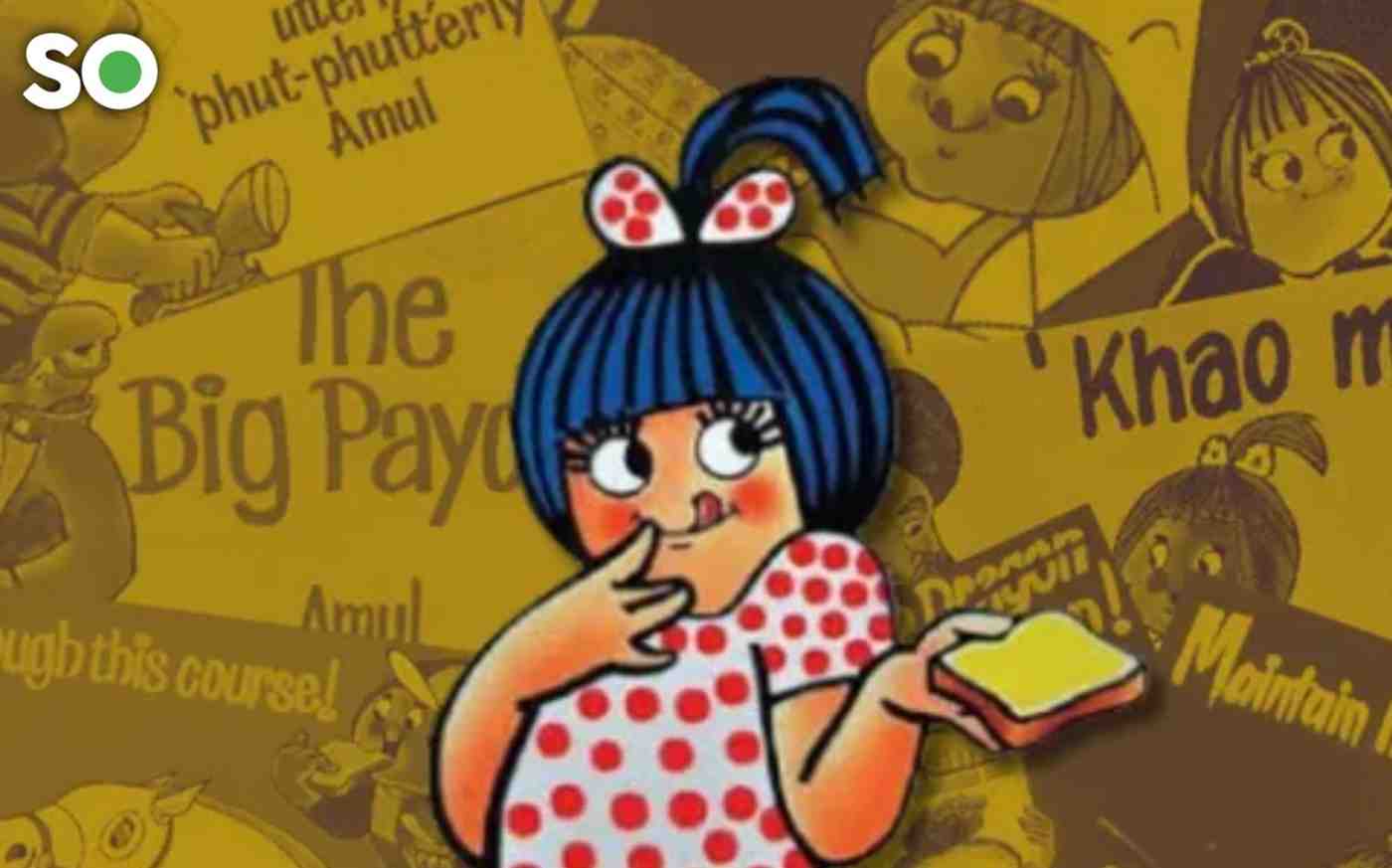
Few Indian brands have shaped a nation the way Amul has. What began as a farmer-led protest against exploitation in a small town of Gujarat has grown into the backbone of India’s dairy economy. Today, Amul is not just a household name, it is a movement that transformed India into the world’s largest milk producer and empowered millions of farmers.
The Problem That Sparked a Revolution (1940s)
In pre-independence India, dairy farmers in Gujarat were at the mercy of middlemen and private contractors who paid them unfair prices. Milk was procured cheaply and sold at high margins, leaving farmers trapped in poverty. Frustration peaked in the town of Anand, where farmers decided to break free from this system.
In 1946, local farmers, guided by freedom leader Sardar Vallabhbhai Patel, formed a cooperative to sell milk directly, cutting out middlemen. This marked the birth of the Kaira District Cooperative Milk Producers’ Union, the foundation of Amul.
The Visionary Who Built the System
The turning point came with the arrival of Verghese Kurien, a young engineer who would later be known as the Father of the White Revolution. Kurien believed farmers should own the brand, the processing units, and the profits.
Under his leadership, Amul adopted a simple but radical model:
Farmer ownership + professional management + scale through cooperation
This model ensured fair prices to farmers while delivering affordable products to consumers.
The Birth of the Amul Brand
The name Amul comes from “Anand Milk Union Limited”, and also means priceless in Sanskrit. From milk and butter, Amul slowly expanded into cheese, curd, ice cream, chocolates, infant nutrition, and more, always focusing on quality and affordability.
A key differentiator was innovation. Amul became one of the first in India to produce milk powder and butter at scale, reducing dependency on imports.
Operation Flood: Changing India Forever
In the 1970s, Amul’s cooperative model became the blueprint for Operation Flood, the world’s largest agricultural development program. The initiative connected rural milk producers to urban markets through a national milk grid.
The impact was historic:
- India became the largest milk producer in the world
- Millions of rural households gained stable income
- Dairy became a pillar of India’s rural economy
Amul was no longer just a brand, it was national infrastructure.
Marketing Genius: The Amul Girl
In 1966, Amul launched what would become India’s longest-running advertising campaign, the Amul Girl. With witty, topical one-liners commenting on current events, Amul built unmatched brand recall without expensive celebrity endorsements.
The strategy worked because Amul stayed relatable, humorous, and culturally rooted, something few global brands have managed for decades.
The Scale Today: Numbers That Define Power
Today, Amul is managed by the Gujarat Cooperative Milk Marketing Federation (GCMMF) and represents over 3.6 million dairy farmers across Gujarat.
Key highlights:
- Annual turnover exceeding ₹90,000 crore
- Operations across 50+ countries
- Portfolio of 100+ products
- Daily milk procurement running into tens of millions of litres
Despite its size, Amul remains farmer-owned, with profits flowing back to producers, not private shareholders.
Why Amul Succeeded Where Others Failed
Amul’s success lies in principles most companies ignore:
- Ownership by producers, not investors
- Low-cost, high-volume strategy
- Trust before profits
- Nation-building mindset over short-term gains
It proved that a cooperative could outperform multinational corporations while staying ethical, affordable, and inclusive.
A Legacy Bigger Than Business
Amul is more than milk or butter. It is proof that when farmers are empowered with ownership, technology, and fair markets, they can build global-scale enterprises.
From villages in Gujarat to kitchens around the world, Amul’s journey is not just a business success story, it is one of India’s greatest economic transformations.
Amul didn’t just feed India.
It empowered India.