Startup Originals Team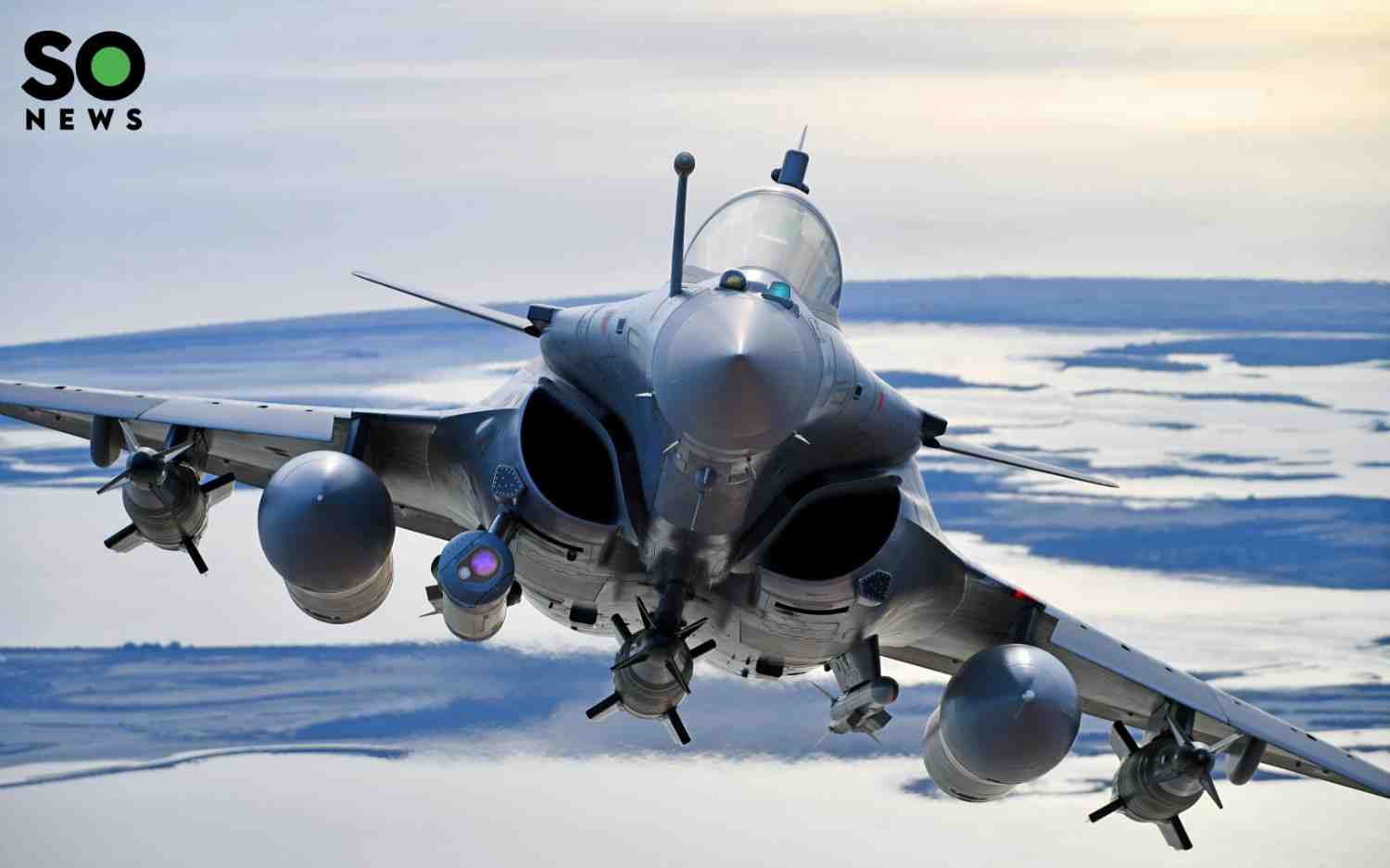
The Defence Acquisition Council (DAC) is set to review a massive procurement proposal worth around ₹3.25 lakh crore for the acquisition of 114 Rafale fighter jets, along with plans to purchase advanced surveillance and support systems. The review marks a key step in India’s efforts to modernise its air combat capabilities and strengthen national defence preparedness.
Major Fighter Jet Procurement Under Review
The proposal to acquire 114 Rafale jets is part of the Indian Air Force’s long-term plan to address declining squadron strength and replace ageing aircraft. The DAC, the apex decision-making body for defence acquisitions, will examine the financial, technical, and strategic aspects of the deal before granting further approvals.
The aircraft are expected to significantly enhance the Indian Air Force’s operational readiness, offering advanced avionics, multi-role combat capability, and improved survivability in contested airspace.
Beyond Jets: Focus on Surveillance Systems
In addition to fighter aircraft, the DAC is also expected to review proposals for the acquisition of new surveillance and support systems. These systems are aimed at strengthening situational awareness, intelligence gathering, and real-time monitoring across land, sea, and air domains.
Officials said enhanced surveillance capabilities are increasingly critical in modern warfare, allowing for quicker decision-making and better coordination across defence forces.
Strengthening Indigenous Manufacturing
While the Rafale jets are based on a proven international platform, the procurement plan is expected to include provisions for domestic manufacturing, technology transfer, and local sourcing. This aligns with India’s broader push for self-reliance in defence production under the “Make in India” initiative.
Industry experts note that such large-scale deals often generate significant opportunities for Indian defence manufacturers and suppliers, contributing to job creation and skill development.
Strategic Importance for the Indian Air Force
The proposed acquisition comes at a time when the Indian Air Force is operating with fewer squadrons than its sanctioned strength. Induction of modern fighter jets is seen as essential to maintaining air superiority and deterrence capabilities, particularly amid evolving regional security challenges.
The Rafale jets, already inducted into the IAF in earlier batches, have demonstrated strong performance in operational roles, strengthening confidence in the platform.
Decision Process and Next Steps
The DAC’s review will involve detailed assessments of cost, capability, delivery timelines, and strategic impact. Once cleared, the proposal will move through subsequent stages of approval, including negotiations and final government sanction.
Defence officials cautioned that such procurements are complex and may take time to conclude, given their scale and strategic importance.
Looking Ahead
If approved, the ₹3.25 lakh crore Rafale deal would rank among the largest defence procurement programmes undertaken by India. Along with investments in surveillance and support systems, the move reflects a comprehensive approach to modernising India’s defence forces.
The outcome of the DAC’s review will be closely watched by defence analysts, industry players, and strategic partners, as it could shape India’s air power and defence capabilities for decades to come.