Startup Originals Team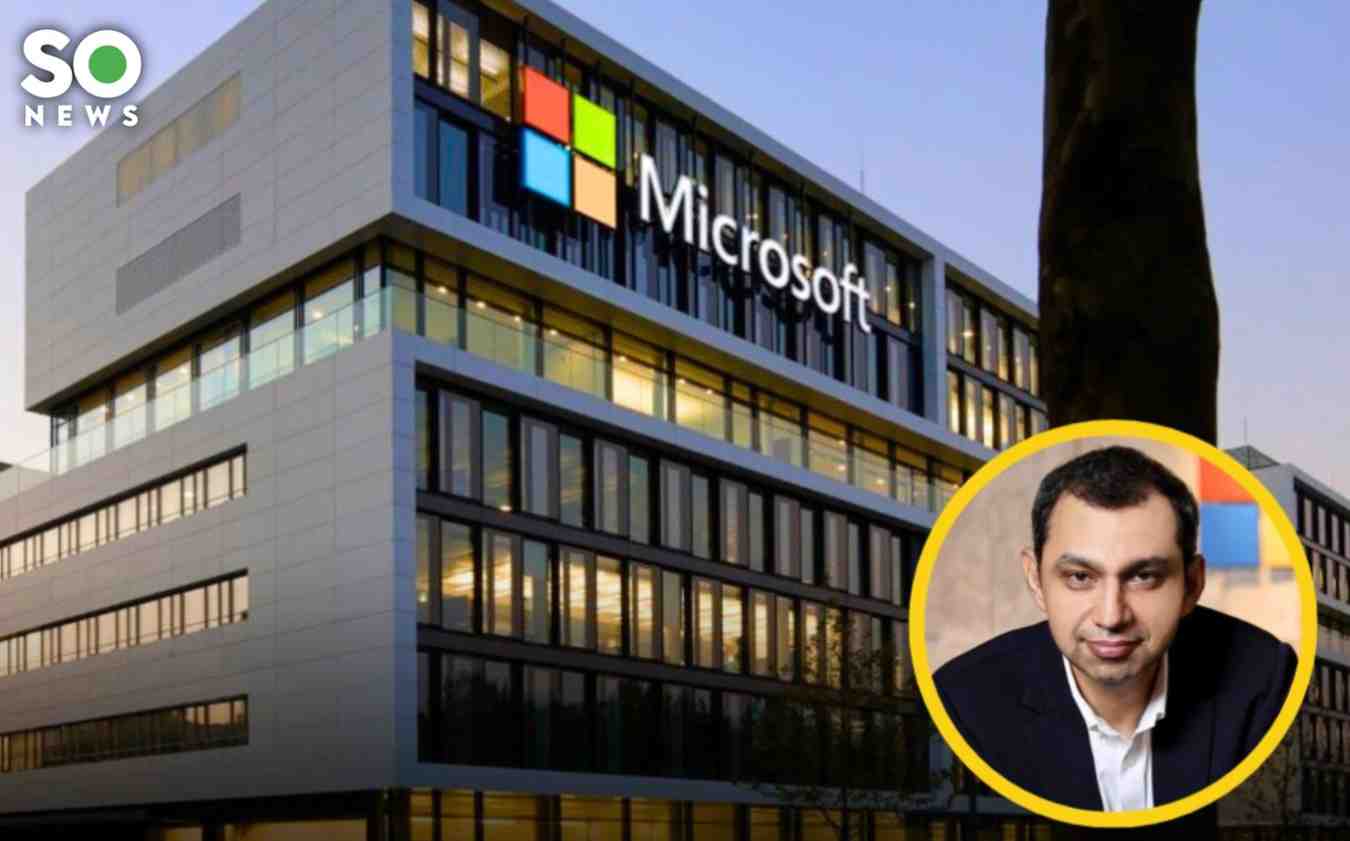
Microsoft India and South Asia President Puneet Chandok has delivered a striking message on the future of work in the age of artificial intelligence (AI), emphasising that AI will not take away jobs outright, but will reshape and unbundle them. He also warned that today’s generation may be the last to experience traditional stable, long-term careers, urging people to embrace continuous learning and adaptability.
AI Will Transform, Not Eliminate, Jobs
Addressing an audience at the Microsoft AI Tour, an event that also featured remarks by CEO Satya Nadella – Chandok said that while AI will change the way work is done, it won’t “steal jobs” in the dramatic sense often portrayed. Instead, it will dissect and unbundle job roles, breaking down tasks rather than eliminating entire careers.
He explained that the familiar model of learning once and then relying on that skill for a lifetime, typical of the industrial era — is fading as AI reshapes workplace expectations and skill requirements.
A Shift From Stable Careers to Portfolio Work
Chandok asserted that the concept of decades-long careers at a single job or within a single skill set is becoming obsolete. “You and I are the last generation to have stable, long-term careers,” he said, predicting that future generations will build portfolio careers involving multiple skills and roles over time.
He emphasised that continuous learning and adaptability will be far more valuable than simply maintaining a static skill set, saying the “real pink slip” today isn’t automation, it’s the refusal to learn. In other words, staying relevant in a rapidly evolving job market depends on one’s willingness to keep acquiring new skills.
Chandok used an analogy to stress this point: learning, in the AI era, is like an oxygen mask, essential to survival, not optional.
Context: Microsoft’s View on AI and Work
Chandok’s comments reflect a broader view within Microsoft that AI should be seen as a tool to amplify human capabilities, not as a force that replaces them. At the same event, Microsoft CEO Satya Nadella spoke about how AI models are rapidly evolving and highlighted data as a strategic asset for companies in the AI era.
Chandok’s remarks come against a backdrop of Microsoft’s aggressive AI investments and initiatives in India, including major commitments to cloud and AI infrastructure and partnerships with enterprises across sectors.
Why This Matters for Careers and Skills
- Changing nature of work: Rather than displacing workers wholesale, AI is expected to reframe job descriptions, distributing tasks in new ways and requiring worker adaptation.
- Shift to lifelong learning: Chandok’s warning that refusal to learn is the “real pink slip” highlights the importance of ongoing skill development, especially in technology, critical thinking and creativity.
- New career models: Future work patterns may rely more on multiple roles, hybrid skill sets and project-based contributions rather than the old “one career” trajectory.
Conclusion: A Call to Adapt in the AI Era
Puneet Chandok’s comments make it clear that AI is more likely to shape and refine how jobs are performed rather than simply destroy them. His message, that today’s generation may be the last with traditional career stability, serves as both a warning and an opportunity: those who commit to continuous learning and adaptation will be better positioned to thrive in a future where flexibility and evolving skills are key.