Startup Originals Team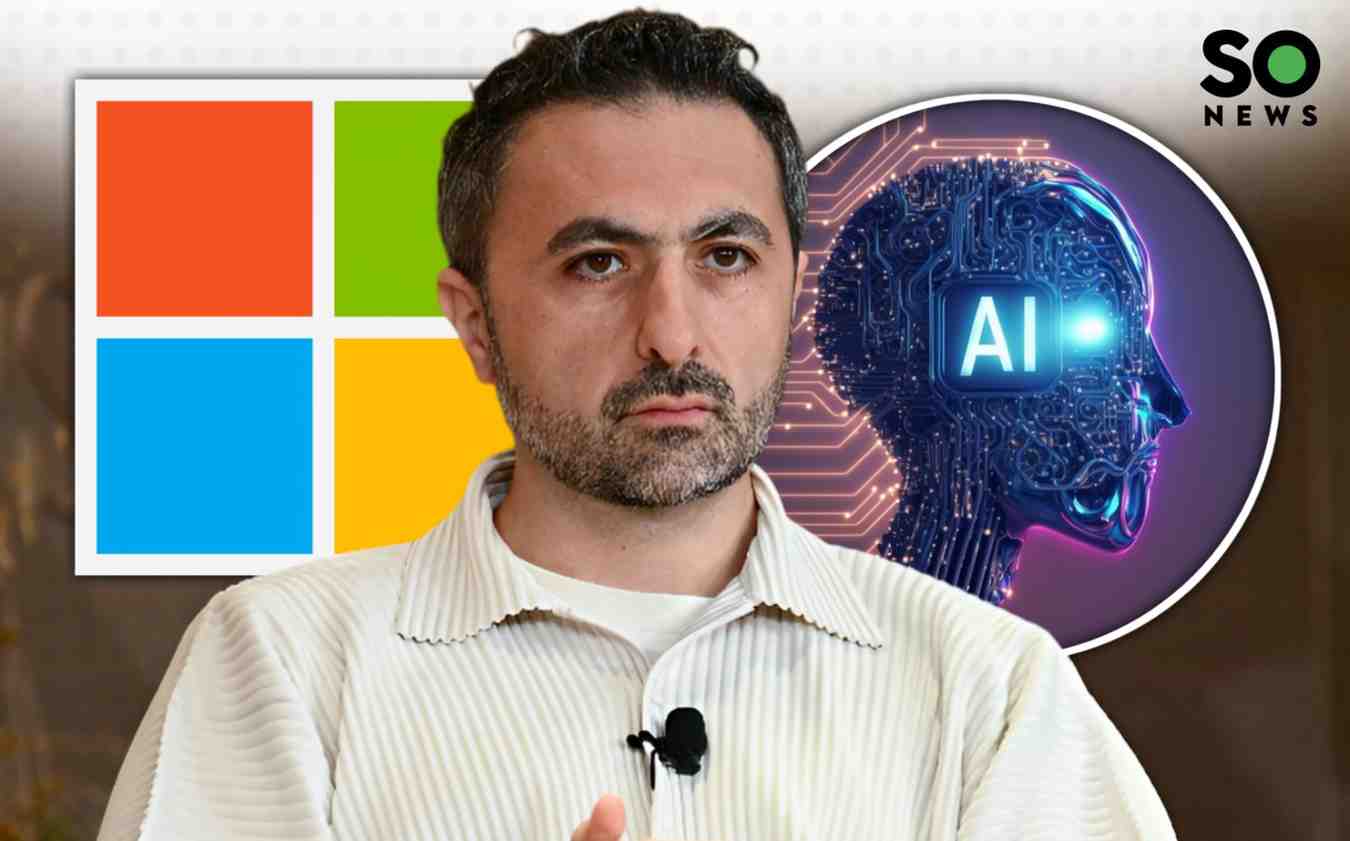
Microsoft’s head of artificial intelligence, Mustafa Suleyman, has warned that artificial intelligence could replace a large share of white-collar jobs in the near future, as the company accelerates work on AI agents capable of handling complex office tasks. His comments have reignited debate around the impact of AI on employment and the future of knowledge work.
Warning on the Future of White-Collar Work
Speaking about recent advances in AI, Suleyman said the technology is rapidly moving beyond simple automation and into areas traditionally handled by human professionals. According to him, roles involving routine analysis, documentation, coordination, and decision support are particularly exposed.
He noted that AI systems are increasingly capable of performing tasks that once required human judgment, raising the possibility that many white-collar roles could be significantly reduced or transformed in the coming years.
Microsoft’s Push Toward AI Agents
Suleyman’s remarks come as Microsoft continues to invest heavily in building AI agents—software systems designed to autonomously plan, execute, and manage multi-step tasks. These agents are being developed to handle complex office workflows such as drafting reports, analysing data, managing schedules, coordinating projects, and supporting decision-making.
Unlike traditional AI tools that respond to single prompts, AI agents are designed to operate continuously, interact with multiple systems, and adapt to changing objectives. Microsoft sees them as a core part of the future workplace.
From Assistance to Autonomy
Suleyman explained that the shift underway is from AI as a helper to AI as an independent operator. While early tools focused on boosting individual productivity, newer systems are being built to take ownership of entire processes.
This evolution could significantly reduce the need for human intervention in many administrative and professional tasks, particularly in areas such as finance, marketing, customer support, and operations.
Jobs Will Change, Not Disappear Entirely
Despite the stark warning, Suleyman acknowledged that AI is also likely to create new roles and reshape existing ones. He said the challenge for governments, companies, and workers will be to adapt quickly, invest in reskilling, and rethink how work is organised.
He emphasised that societies need to prepare for large-scale disruption rather than assume gradual change. According to him, the pace of AI progress is faster than many institutions are ready for.
Growing Debate on AI and Employment
Suleyman’s comments add to a growing global debate on AI’s impact on jobs. While some leaders argue that AI will primarily augment human work, others warn of significant displacement, especially in white-collar professions that were once considered relatively secure.
Economists and policy experts have increasingly called for updated labour policies, education reforms, and safety nets to manage the transition.
What Comes Next
Microsoft is expected to integrate AI agents more deeply into its enterprise products, including workplace and productivity software. As these tools mature, their real-world impact on jobs and workflows will become clearer.
For now, Suleyman’s warning underscores a critical reality: AI is no longer just about efficiency gains—it is beginning to challenge the very structure of white-collar employment, forcing businesses and workers alike to rethink the future of work.