Startup Originals Team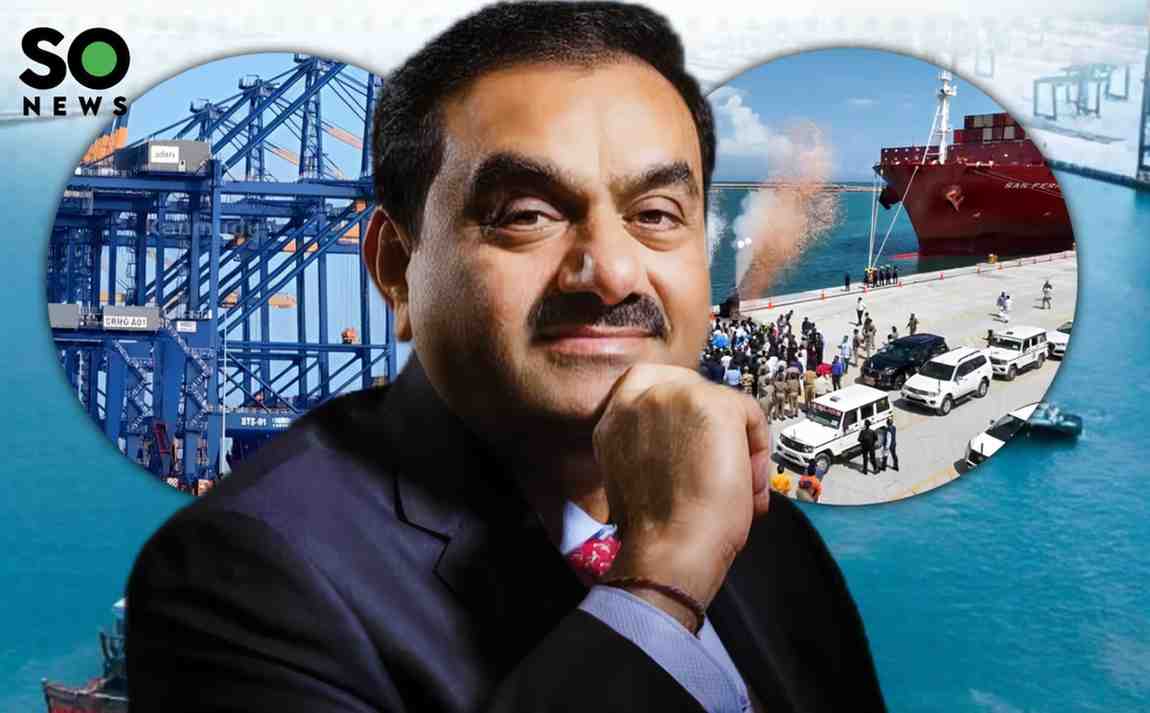
Adani Ports and Special Economic Zone (APSEZ) has announced plans to invest around ₹16,000 crore to expand the Vizhinjam International Seaport in Kerala, with the aim of transforming it into India’s largest ship transshipment hub. The proposed investment marks a major step in strengthening India’s maritime infrastructure and reducing dependence on foreign ports for cargo transfer.
Major Expansion to Boost Transshipment Capacity
The planned expansion at Vizhinjam is expected to significantly enhance the port’s capacity and capabilities. The investment will be deployed in phases to develop additional terminals, deepen berths, and install advanced cargo-handling infrastructure required to accommodate large container vessels.
Vizhinjam’s natural deep draft and proximity to major international shipping routes make it strategically positioned to serve as a transshipment hub, where cargo is transferred between large mother vessels and smaller feeder ships. Once expanded, the port is expected to handle a substantial share of India’s transshipment cargo that is currently routed through ports outside the country.
Strategic Importance for India’s Maritime Trade
India handles a large portion of its container transshipment through foreign ports such as Colombo, Singapore, and Jebel Ali. The expansion of Vizhinjam is seen as a critical move to retain this traffic domestically, reduce logistics costs, and improve supply chain efficiency.
By developing Vizhinjam into a global-standard transshipment hub, Adani Ports aims to strengthen India’s position in international maritime trade. Industry experts say the project could help India capture a larger share of regional shipping traffic and improve turnaround times for exporters and importers.
Economic Impact and Job Creation
The ₹16,000 crore investment is expected to generate significant economic benefits for Kerala and the broader region. During the construction phase, the project is likely to create thousands of direct and indirect jobs across engineering, construction, logistics, and allied services.
Once operational at full scale, the expanded port is expected to support long-term employment in port operations, shipping services, warehousing, and logistics. Improved port infrastructure could also attract related industries, including freight forwarding, container depots, and maritime services, boosting regional economic activity.
Adani Ports’ Long-Term Port Strategy
The Vizhinjam expansion aligns with Adani Ports’ broader strategy of building a network of world-class ports across India. APSEZ operates multiple ports on both the east and west coasts and has been investing steadily in capacity expansion, automation, and multimodal connectivity.
The company views Vizhinjam as a cornerstone asset in its southern India portfolio, with the potential to complement other major ports and strengthen its role in global shipping networks. The focus on transshipment also reflects a shift toward higher-value port services rather than only domestic cargo handling.
Environmental and Regulatory Considerations
As with large coastal infrastructure projects, the Vizhinjam expansion will need to navigate environmental clearances and regulatory approvals. Adani Ports has indicated that sustainability and compliance will be key considerations, with efforts expected to minimise ecological impact and engage with local stakeholders.
The project’s progress will be closely watched by policymakers, industry participants, and local communities, given its scale and strategic importance.
Outlook
If executed as planned, the ₹16,000 crore expansion could position Vizhinjam as India’s biggest ship transfer hub and a major competitor to established transshipment ports in the region. For India, the project represents a significant step toward strengthening maritime self-reliance and enhancing the efficiency of its global trade infrastructure.
The coming years will be crucial as the expansion moves from planning to execution, shaping the future of India’s port-led growth strategy.