Startup Originals Team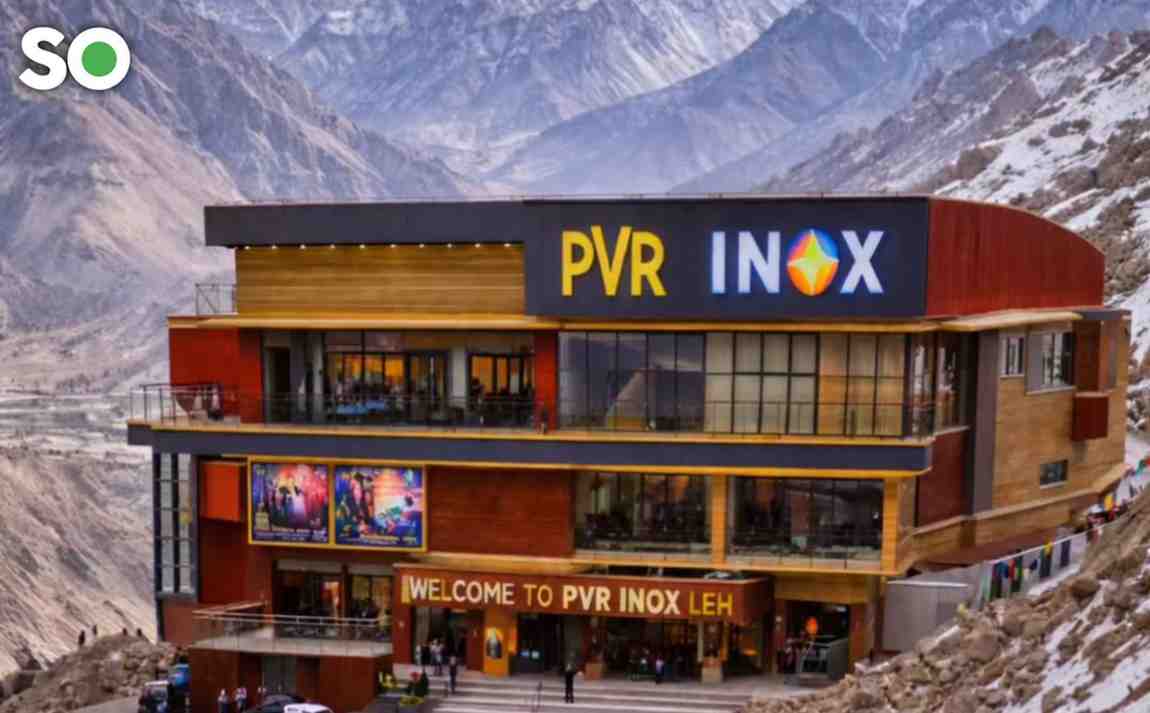
The story of PVR INOX is not just about cinemas, screens, or box office numbers. It is about vision, risk, and rebuilding from setbacks. Led by Ajay Bijli, PVR INOX went on to create India’s multiplex culture and redefine movie-going for an entire generation.
From Trucks to Theatres: The Unlikely Beginning
Ajay Bijli did not begin his career in films. His father ran a trucking business called Amritsar Transport Co. and also owned a single-screen cinema, Priya Cinema, in South Delhi, which was bought in 1978. When Ajay took over the family business in 1988, cinema was not the main focus.
Everything changed in 1994 when a massive fire destroyed the family’s trucking business. With the core income source gone, Ajay faced a difficult choice. Instead of starting something entirely new, he decided to rebuild around the one asset that remained, Priya Cinema.
Betting on a New Cinema Experience
Ajay understood that single-screen theatres were losing relevance. Audiences wanted comfort, better sound, cleaner halls, and a premium experience. In 1990, even before multiplexes were a trend in India, he renovated Priya Cinema with modern seating, advanced sound systems, and a better viewing environment inspired by international standards.
This decision planted the seed for India’s multiplex revolution.
The Birth of PVR and India’s Multiplex Culture
In the mid-1990s, Ajay partnered with an Australian cinema company to bring the multiplex model to India. This led to the launch of PVR Cinemas, starting with India’s first multiplex at Saket, Delhi. Multiple screens, flexible show timings, food courts, and a premium feel quickly caught on with urban audiences.
What started as an experiment soon became a scalable business. Mall culture expanded, urban disposable incomes rose, and PVR became the default choice for modern movie-watching in India.
Growth, Challenges, and the INOX Merger
Over the years, PVR expanded aggressively across cities while adapting to challenges like piracy, high real estate costs, and later, the COVID-19 pandemic. Survival during the pandemic tested the company’s resilience more than any previous phase.
In 2023, PVR merged with INOX Leisure, creating PVR INOX, the largest cinema exhibition company in India. The merger helped reduce costs, improve bargaining power with filmmakers, and strengthen the balance sheet.
Where PVR INOX Stands Today
By January 2026, PVR INOX operates more than 1,760 screens across 111+ cities in India and Sri Lanka. The company continues to innovate with luxury formats, IMAX screens, recliner seating, and curated food experiences, ensuring cinemas remain relevant even in the age of OTT platforms.
The Bigger Lesson
The PVR INOX story proves that big businesses can rise from personal loss and difficult pivots. Ajay Bijli did not chase trends, he created one. By focusing on experience, long-term vision, and constant reinvention, he transformed a struggling single-screen theatre into a cinema empire.
It is a reminder that sometimes, the future of an industry begins with one bold decision made at the worst possible moment.