Startup Originals Team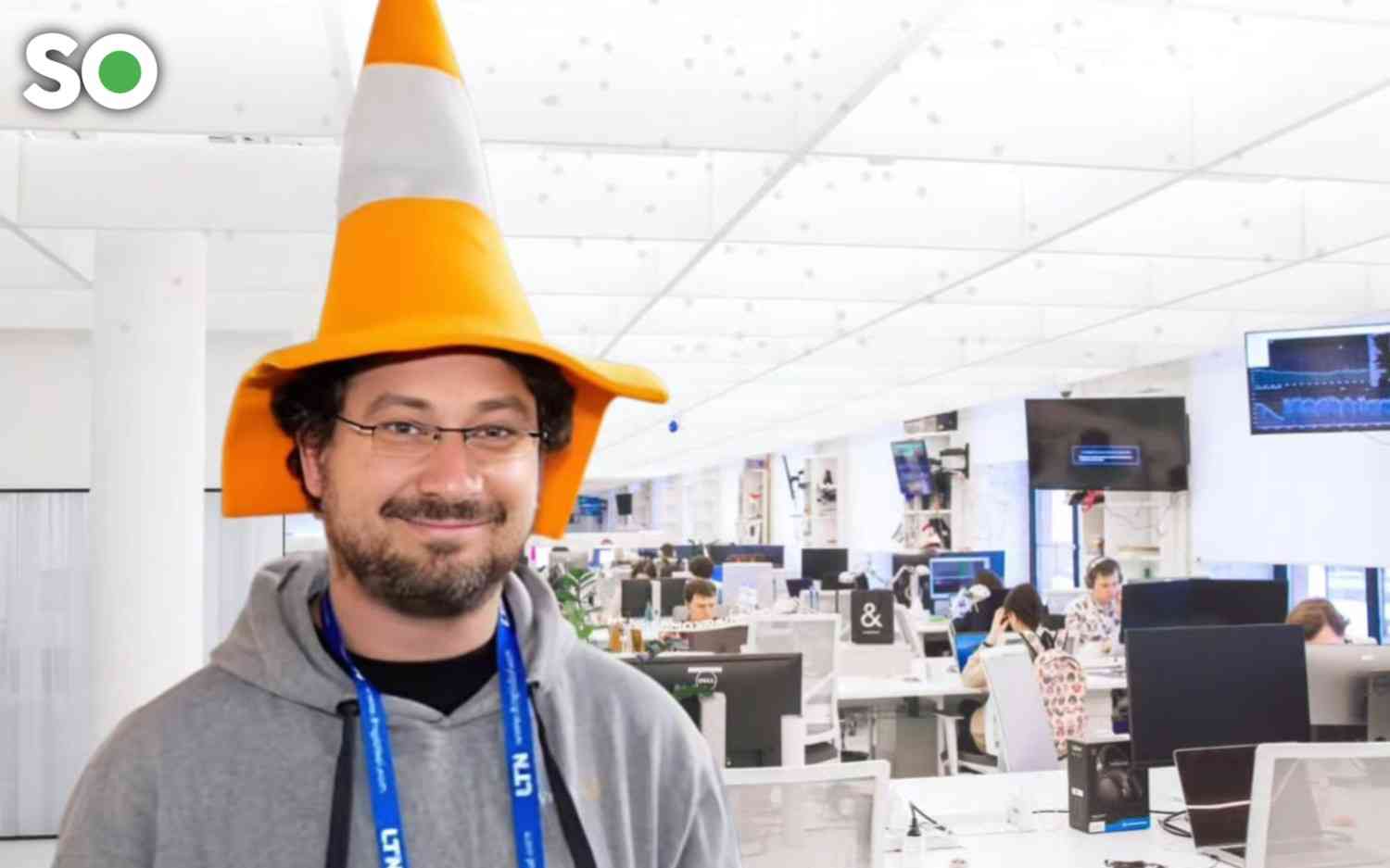
In a tech world driven by valuations, exits, and relentless monetisation, Jean-Baptiste Kempf chose a path few dare to take. Instead of chasing profits, he protected a principle, that essential software should remain free, open, and accessible to everyone. That decision gave the world one of the most trusted tools in digital history: VLC Media Player.
A Student Problem That Sparked a Global Solution
In the late 1990s, while studying in France, Jean-Baptiste Kempf and a small group of fellow students faced a simple but frustrating issue, video files refused to play properly on their computers. Rather than waiting for commercial software to catch up, they decided to build their own solution.
What began in 1996 as a student experiment soon evolved into a serious project under VideoLAN, a non-profit initiative focused on open and accessible technology. Their goal was never profit; it was functionality and freedom.
Why VLC Was Different from Day One
When VLC Media Player launched, it immediately stood apart. It could play almost every audio and video format, worked seamlessly across operating systems, and asked nothing from users in return.
There were no advertisements, no subscriptions, and no data tracking. At a time when most media players were limited, bloated, or locked behind licenses, VLC was fast, lightweight, and completely free. Word spread organically, and millions adopted it without marketing campaigns or sales teams.
Turning Down Millions to Protect User Trust
As VLC’s global popularity surged, so did interest from investors. Offers worth tens of millions of dollars landed on the table, each with familiar conditions, introduce ads, collect user data, monetise the massive user base.
Kempf rejected them all. His belief was simple and unwavering: some tools should belong to the public, not corporations. He refused to compromise user privacy or clutter the software for profit. Remarkably, he never drew a traditional salary from VLC, choosing instead to safeguard the trust of its users.
A Rare Stand in Modern Tech Culture
While many popular apps gradually filled with trackers, pop-ups, and paywalls, VLC remained clean and transparent. It became a symbol of what ethical software could look like, powerful, reliable, and respectful.
This principled stance earned VLC a unique reputation. It is now used by students, engineers, filmmakers, journalists, and even institutions like NASA, proving that integrity and scale don’t have to be opposites.
A Legacy Measured in Impact, Not Money
Today, VLC runs on more than 6 billion devices worldwide, spanning desktops, mobiles, and smart TVs. It remains open-source, community-driven, and free, just as it was intended nearly three decades ago.
Jean-Baptiste Kempf never chased billions or flashy exits. By choosing integrity over income, he quietly reshaped software history and showed that true success isn’t always measured in money, but in trust, longevity, and impact.