Startup Originals Team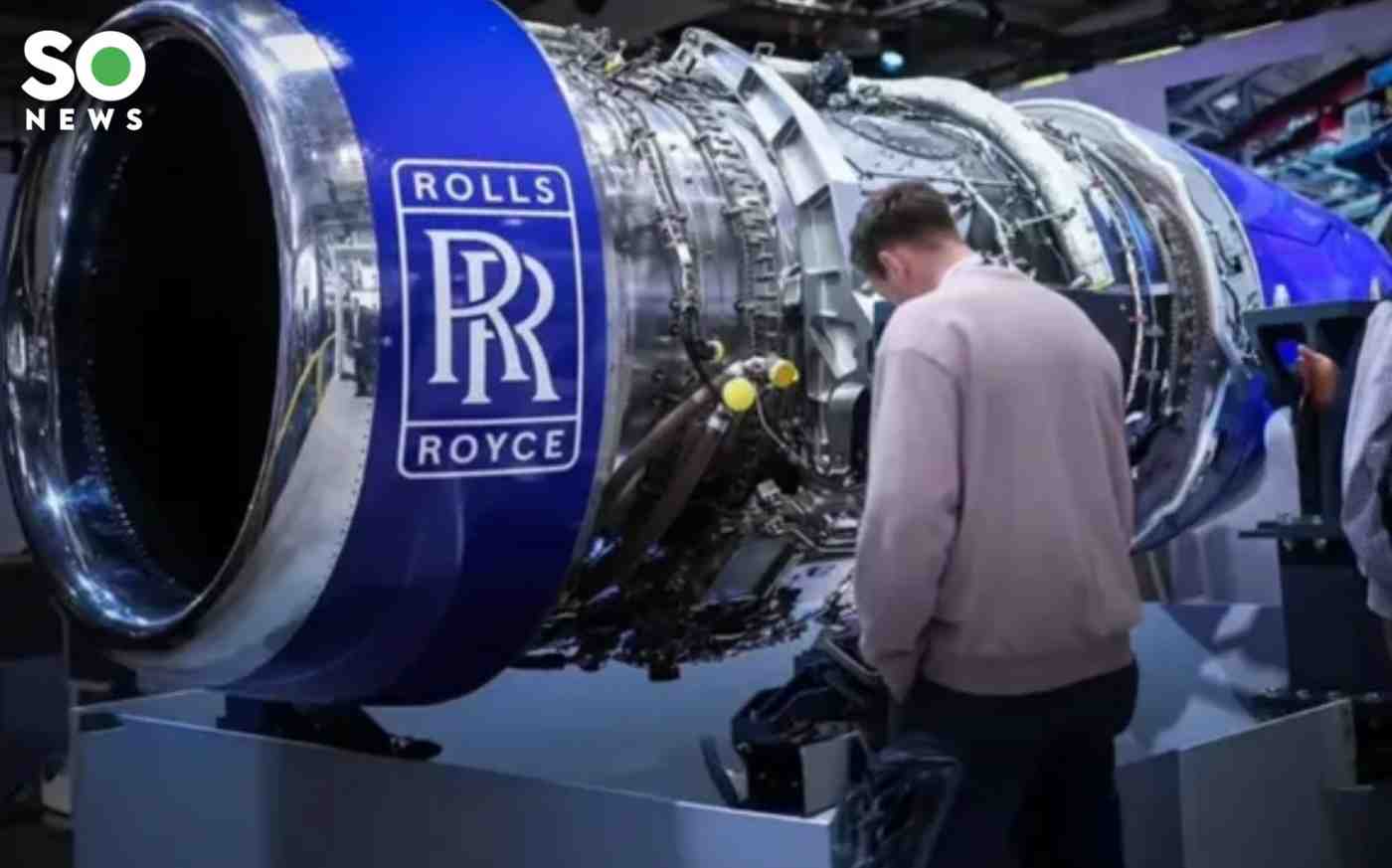
India is set to play a larger role in the global aerospace and defence landscape as US defence giant Lockheed Martin and British aero-engine maker Rolls-Royce announce plans for significant expansion within the country, with big opportunities on the horizon in military aircraft support, jet engines and naval propulsion systems.
Lockheed Martin’s India Growth Strategy
Lockheed Martin – a major aerospace and defence contractor for the US government, is exploring a mega hub in India that would support production related to the company’s key military platforms if it secures future contracts, including the potential supply of up to 80 tactical transport aircraft such as the C-130J Super Hercules to the Indian Air Force. If successful, this facility would be the first global manufacturing hub outside the United States for such aircraft, strengthening India’s local aerospace ecosystem and enhancing strategic defence cooperation between the two countries.
Rolls-Royce Eyes India as a Strategic “Third Home Market”
At the same time, Rolls-Royce has signalled ambitious investment plans in India, aiming to make the country its third “home market” after the United Kingdom and the United States, with Germany already in that group. The British engineering firm is preparing for what it calls a “big investment” in India, focusing on several high-technology defence domains including:
- Next-generation jet engines, particularly for advanced combat aircraft such as those envisioned for India’s Advanced Medium Combat Aircraft (AMCA) programme.
- Naval propulsion systems and electric/hybrid propulsion technologies for marine vessels, converting core aero engine expertise into power systems for naval applications, a rare global capability that Rolls-Royce possesses and can potentially transfer to India.
- Broader advanced engineering and land systems collaborations with Indian defence firms.
Rolls-Royce executives highlight India’s scale, policy clarity and strategic importance within the expanding defence and industrial ecosystem as key factors making India a natural destination for long-term investment. They’re also discussing memorandums of understanding (MoUs) with Indian public sector undertakings that could cover manufacturing engines for platforms such as India’s Arjun main battle tanks and other future combat vehicles.
Why This Matters for India’s Defence and Aerospace Sector
This planned expansion by two major aerospace players underscores India’s rising role as a hub for advanced defence manufacturing and technology. By deepening partnerships with global firms, India stands to:
- Enhance indigenous manufacturing capabilities for jet engines and aircraft support systems.
- Develop knowledge-intensive technologies in propulsion and engineering.
- Strengthen its military readiness and reduce reliance on foreign imports through strategic technology partnerships and co-development agreements.
- Generate skilled employment and create a value-added supply chain in the aerospace sector.
Conclusion
The announced plans by Lockheed Martin and Rolls-Royce mark a significant strategic shift in India’s defence and aerospace engagement, one that could lead to large-scale investment, high-tech manufacturing, and long-term collaborations that support India’s future combat aircraft programmes, naval propulsion needs, and advanced engineering ambitions. These moves further signal India’s growing stature as a global defence market and production hub in the decades ahead.