Startup Originals Team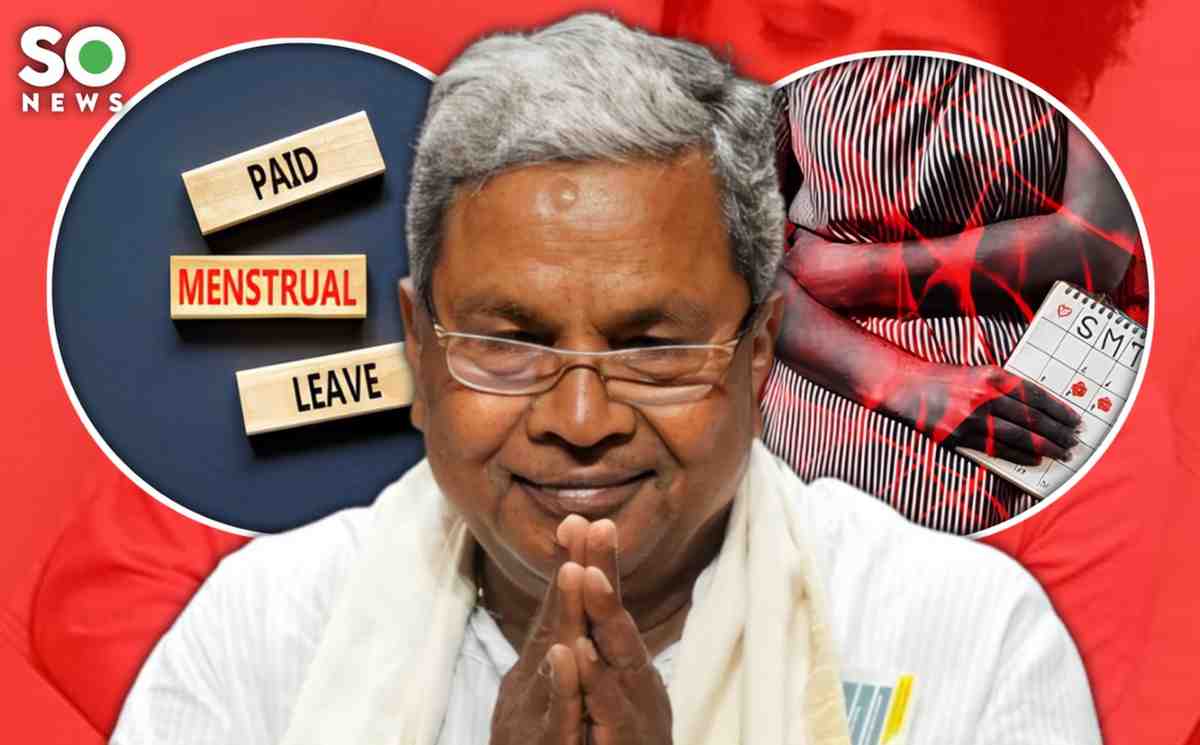
In a landmark move towards workplace inclusivity and gender equity, the Karnataka government has approved the Menstrual Leave Policy 2025, granting women employees across all sectors one paid leave day per month, totaling 12 days annually. This progressive policy, announced on October 9, 2025, positions Karnataka as the first state in India to implement such a measure nationwide.
A Step Towards Inclusivity and Understanding:
Chief Minister Siddaramaiah lauded the policy as a significant stride towards a more humane and inclusive workplace, stating,
“Through the Menstrual Leave Policy 2025, women employees across Karnataka will now receive one paid leave day every month. This is a step towards a more humane, understanding, and inclusive workplace.”
The policy aims to acknowledge and support women’s health needs, fostering a work environment that respects and accommodates their well-being.
Applicability Across All Sectors:
The Menstrual Leave Policy 2025 applies uniformly to women employees in various sectors, including:
- Government offices
- Private sector firms
- IT companies
- Garment factories
- Multinational corporations (MNCs)
This comprehensive approach ensures that women across diverse industries benefit from the policy, promoting widespread workplace inclusivity.
Flexibility and Implementation:
Under the new policy, women employees are entitled to one paid menstrual leave day each month. They have the flexibility to either take the leave on a single day or accumulate it for use as needed, depending on their menstrual cycle and health requirements.
The Karnataka government has mandated that all employers, both public and private, adopt this policy, ensuring uniformity and adherence across the state.
Reactions and Future Implications:
The introduction of this policy has garnered widespread support from women’s rights groups, health experts, and progressive organizations, who view it as a necessary step towards dismantling the stigma surrounding menstruation and promoting gender-sensitive workplace practices.
While the policy is being hailed as a progressive move, it also sparks discussions about its potential impact on workplace dynamics, employee perceptions, and the broader societal implications of recognizing menstrual health as a legitimate reason for leave.
This initiative sets a precedent that may inspire other states and organizations across India to consider similar policies, contributing to a more inclusive and supportive work culture nationwide.