Startup Originals Team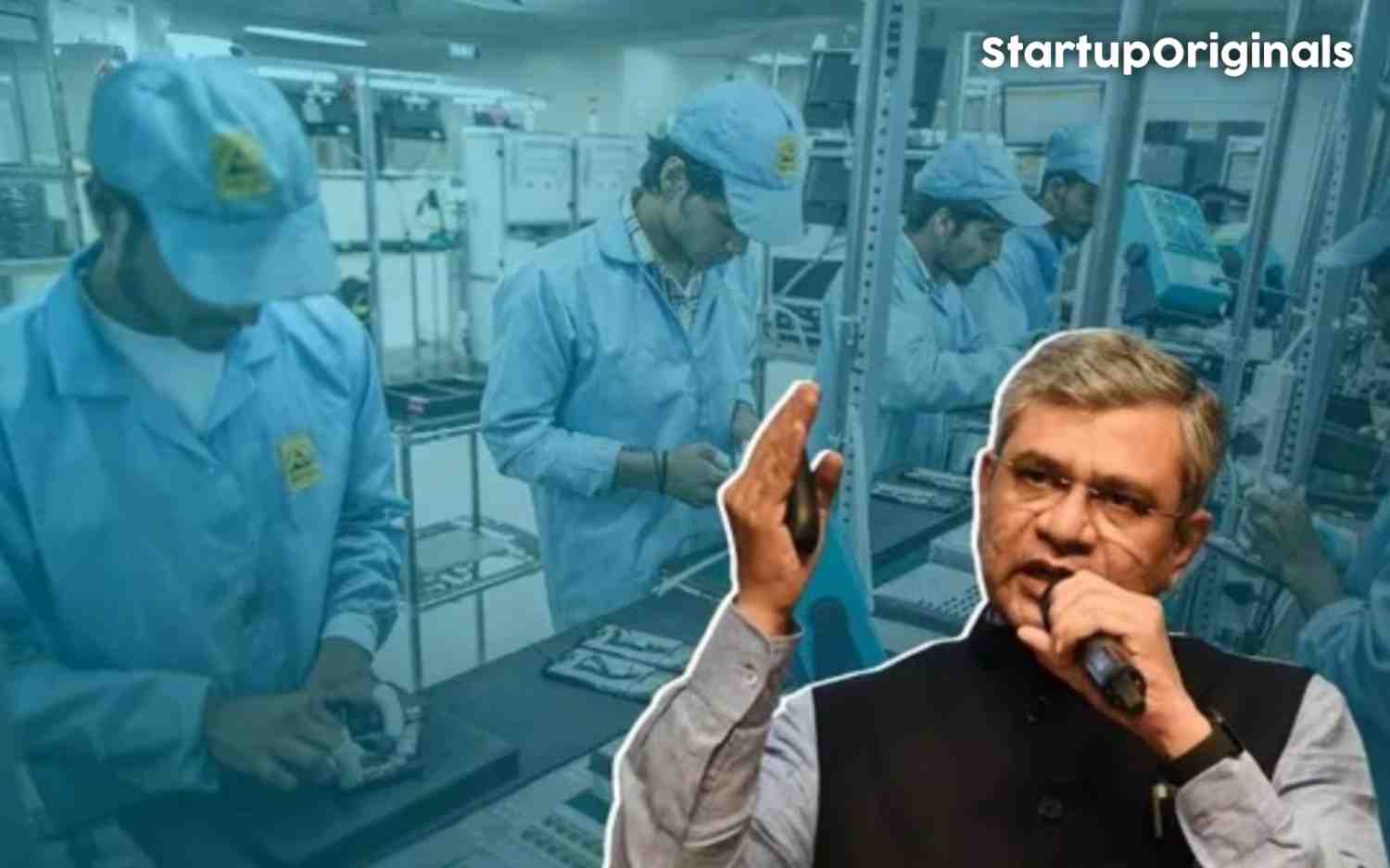
India’s electronics manufacturing industry is rapidly expanding, generating around 2.5 million jobs and fostering domestic production of key mobile phone components. The recent inauguration of Optiemus Infracom’s tempered glass manufacturing unit in Noida, combined with global partnerships and robust government policy, highlights a major leap in the sector.
India’s Electronics Industry: Momentum and Job Creation
India’s push in electronics manufacturing is driving both employment and technological growth, now supporting approximately 2.5 million workers across various operations. Union Minister Ashwini Vaishnaw emphasized during the launch of Optiemus’ plant that mobile phone component localization is central to the government’s strategy, aiming to reduce dependence on imports and extend export reach to markets in Europe. With increasing investments and advanced manufacturing, projections suggest the industry could create 12 million jobs by 2027.
Optiemus Infracom’s Noida Plant: Pioneering Tempered Glass Manufacturing
Optiemus Infracom opened India’s first facility for chemically treated tempered glass for smartphones in Noida, with an initial investment of ₹70 crore and phase one capacity of 25 million units per year. This phase employs more than 600 individuals, and phase two plans to increase capacity to 200 million units annually with an infusion of ₹800 crore-expected to generate over 4,500 direct jobs. The company is targeting the rapidly growing domestic tempered glass market, currently valued at about $1 billion, and projected to double within five years.
Domestic Innovations and International Partnerships:
Optiemus’ tempered glass facility is developed in partnership with Corning, a global leader in specialty glass. Corning’s manufacturing plant in Chennai, expected to begin by the end of the year, will handle the finishing of display glass covers, further boosting India’s capabilities in high-tech component manufacturing. The Chennai plant, a joint venture under Bharat Innovative Glass Technologies (BIG Tech), marks India’s first dedicated site for finished glass cover parts for mobile consumer electronics, with an investment of about ₹1,000 crore and an initial phase capacity of 30 million units.
Government Policy Driving Local Manufacturing:
The Indian government’s strategy focuses on localizing every key component for mobile devices, encouraging innovation, and expanding exports. Efforts like the Production-Linked Incentive (PLI) scheme and “Make in India” initiatives are incentivizing manufacturers to set up and grow operations in India. These policies are expected to create more jobs, enable domestic companies to compete globally, and create a pipeline for future chip manufacturing and other advanced electronics components.
Industry Outlook and Future Prospects:
With robust investments, strategic partnerships, and government support, India’s electronics manufacturing ecosystem continues to thrive. As domestic production rises, manufacturers like Optiemus and Corning position India as a hub for global supply chains, ensuring that many smartphone components and accessories, including tempered glass, are “Made in India” and certified for quality. These advancements support not only job growth but also the broader economic development and technological self-reliance of the country.